Discovering Raikot Bridge: A Marvel of Engineering in Pakistan
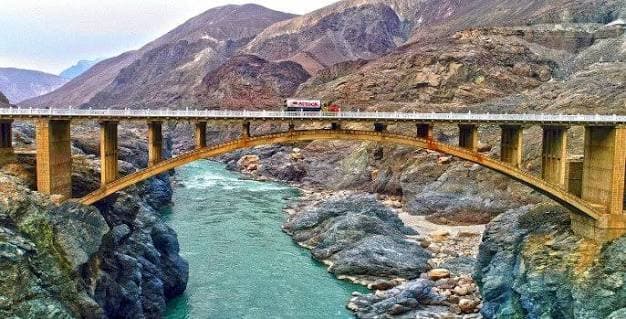
Discovering Raikot Bridge: A Marvel of Engineering in Pakistan
Nestled in the stunning landscapes of northern Pakistan, the Raikot Bridge stands as a testament to both natural beauty and human ingenuity. This architectural marvel, connecting the regions of Gilgit-Baltistan and the rest of Pakistan, is not only a crucial transportation link but also a popular destination for travelers seeking adventure and cultural experiences. In this article, we will explore the history, architecture, and significance of Raikot Bridge, along with practical tips for visiting this remarkable landmark.
As you delve into the details, expect to learn about its origins, the breathtaking views it offers, and the local culture that thrives in its vicinity. Whether you’re a history buff, an architecture enthusiast, or simply looking for your next travel destination, the Raikot Bridge has something to offer everyone. Prepare to be captivated by this iconic structure that bridges not just land, but also the rich tapestry of cultures in Pakistan.
History & Origins
The Raikot Bridge has a rich history that dates back to the early 20th century. Constructed during a time when infrastructure was paramount for the development of the northern territories, this bridge has become a crucial part of the region's transportation network. Understanding its origins helps visitors appreciate the engineering challenges faced and the significance of the bridge in connecting remote areas.
- Construction Year: The bridge was completed in 1982.
- Location: It spans the Indus River near the town of Raikot.
- Purpose: Initially built to facilitate trade and travel, it remains vital for local communities.
- Historical Context: The bridge was part of larger infrastructure projects aimed at connecting the northern regions with the rest of Pakistan.
Significance in Local History
The Raikot Bridge holds great significance for the local communities, especially the people of Gilgit-Baltistan. It symbolizes the connection between various ethnic groups and has fostered trade and tourism in the region.
- Cultural Exchange: The bridge has enabled cultural interactions among diverse groups.
- Economic Development: It has played a role in boosting local economies by facilitating trade.
- Tourism Growth: The bridge has become a focal point for tourists exploring northern Pakistan.
Architecture & Features
The architectural design of Raikot Bridge is both functional and aesthetically pleasing. Spanning over the mighty Indus River, the bridge's engineering showcases the blend of modern techniques with the rugged landscape of the region. Its construction reflects the challenges of building in such a remote location, making it an interesting study for architecture enthusiasts.
- Design Type: The bridge is a suspension bridge, allowing for flexibility and strength.
- Length: It measures approximately 1,200 meters in length.
- Materials Used: Constructed primarily with steel and concrete, ensuring durability.
- Scenic Views: Offers breathtaking vistas of the surrounding mountains and the river.
Unique Features
Raikot Bridge is not just an ordinary bridge; it also boasts several unique features that enhance its charm and functionality. These aspects contribute to the bridge's appeal for visitors and locals alike.
- Suspension Cables: The bridge's cables are designed to withstand strong winds typical of the region.
- Viewpoints: Designated areas allow visitors to enjoy panoramic views of the Indus River valley.
- Lighting: The bridge is illuminated at night, creating a stunning visual effect against the backdrop of the mountains.
Cultural & Religious Significance
Beyond its architectural merits, Raikot Bridge holds deep cultural and religious significance for the local population. It serves as a connection point not only between geographical areas but also between communities and their traditions.
- Community Gatherings: The bridge is often a site for local festivals and gatherings, fostering unity.
- Religious Pilgrimages: Nearby religious sites attract pilgrims who use the bridge to access sacred areas.
- Art and Culture: Local artists often depict the bridge in their work, celebrating its beauty and importance.
Local Traditions
The cultural fabric of the region is interwoven with the significance of the Raikot Bridge. Various traditions have evolved around it, reflecting the lifestyle and values of the local people.
- Festivals: Annual festivals often include processions across the bridge, symbolizing community strength.
- Stories and Folklore: Local legends about the bridge are shared among residents, enriching their cultural narratives.
- Art Exhibitions: Artists regularly showcase works inspired by the bridge, highlighting its role as a symbol of unity.
What to See & Do
Visitors to Raikot Bridge can indulge in various activities that enhance their experience and appreciation of the region. From breathtaking views to thrilling adventures, there’s no shortage of things to do.
- Photography: Capture stunning landscapes and the architectural beauty of the bridge.
- Trekking: Explore nearby trails that lead to picturesque viewpoints and hidden gems.
- River Activities: Enjoy activities like rafting and fishing in the Indus River.
- Local Cuisine: Sample traditional foods at nearby eateries to savor the local flavors.
Adventure Sports
For adventure enthusiasts, the vicinity of Raikot Bridge offers thrilling opportunities for outdoor sports that take advantage of the rugged terrain and the flowing Indus River.
- Rafting: Experience the excitement of navigating the rapids of the Indus.
- Trekking: Trails in the area provide various levels of hiking experiences.
- Camping: Set up camp near the river for a unique night under the stars.
The Visitor Experience
Visiting the Raikot Bridge is not just about crossing from one side to the other; it’s an immersive experience that connects you with the breathtaking natural environment and vibrant local culture. Many travelers find that their visit is enhanced by engaging with the local community and learning about the traditions that surround this landmark.
- Guided Tours: Consider joining guided tours that provide insights into the history and significance of the bridge.
- Local Interactions: Engage with local residents to learn about their way of life and traditions.
- Best Viewing Spots: Ask locals for the best spots to capture photos of the bridge and surrounding scenery.
- Safety Concerns: While the bridge is stable, be cautious when taking photos near the edges.
Accessibility
Raikot Bridge is relatively accessible, but travelers should be aware of a few practical considerations to enhance their experience. Knowing how to navigate the area will help you make the most of your visit.
- Transportation: Local buses and taxis can take you to the bridge from nearby towns.
- Walking: The bridge is pedestrian-friendly, making walking across a memorable experience.
- Facilities: Basic facilities such as restrooms and small shops are available nearby.
Location & How to Get There
Raikot Bridge is located in the northern region of Pakistan, specifically in the Gilgit-Baltistan area. Understanding its geographical context and how to reach it is essential for planning your visit. The bridge is strategically positioned, making it a convenient stop for travelers heading to other destinations in the region.
- Nearest City: The closest significant city is Gilgit, located approximately 70 kilometers away.
- Traveling by Road: The bridge is accessible via the Karakoram Highway, one of the highest paved roads in the world.
- Public Transport: Local buses run regularly from Gilgit to the bridge area.
- Private Transport: Hiring a car or local guide is recommended for a more personalized experience.
Directions
For those driving to Raikot Bridge, here are some helpful directions to navigate your way smoothly.
- From Gilgit: Take the Karakoram Highway and follow signs for Raikot.
- From Skardu: Follow the route that connects with the highway towards Raikot.
- Navigation Apps: Use GPS navigation for real-time directions and traffic updates.
Best Time to Visit
The ideal time to visit Raikot Bridge is crucial for a pleasant experience, especially given the varying weather conditions in northern Pakistan. Knowing the best months to travel will enhance your trip and allow you to enjoy the landscape at its fullest.
- Spring (March to May): Offers mild weather and blooming landscapes.
- Summer (June to August): Ideal for trekking and outdoor activities, though it can get crowded.
- Autumn (September to November): The foliage changes colors, providing stunning views.
- Winter (December to February): Cold weather may limit accessibility but offers a unique, serene experience.
Weather Considerations
When planning your visit, be mindful of the weather patterns and pack accordingly to ensure a comfortable experience at Raikot Bridge.
- Layered Clothing: Temperatures can vary significantly, so dress in layers.
- Rain Gear: The region can be prone to rain, especially in spring and summer.
- Sun Protection: Sunscreen and hats are essential, particularly during summer months.
Nearby Attractions
After exploring the Raikot Bridge, consider visiting other attractions in the area to enrich your travel experience. The northern regions of Pakistan are filled with natural wonders and cultural sites that complement the visit to the bridge.
- Naltar Valley: Known for its stunning lakes and beautiful landscapes, just a short drive away.
- Fairy Meadows: A popular trekking destination with breathtaking views of Nanga Parbat.
- Hunza Valley: Famous for its rich history, culture, and stunning mountain scenery.
- Skardu: A gateway to some of the highest peaks in the world, offering unique landscapes and cultural experiences.
Cultural Sites
In addition to natural attractions, the region is rich in cultural heritage. Exploring nearby cultural sites will provide deeper insights into the local traditions and history.
- Historic Forts: Visit the Baltit and Altit forts in Hunza for a glimpse into the region's history.
- Local Markets: Explore bazaars to find handmade crafts and local delicacies.
- Mausoleums: Discover the ancient tombs and shrines that reflect the region's diverse religious heritage.
Pro Tips for Visiting Raikot Bridge
- Best Time: Visit during weekdays to avoid the weekend crowds and enjoy a more peaceful experience.
- What to Carry: Bring a camera to capture the stunning views and a water bottle for hydration.
- How to Get There: Use a local guide for the best insights and to navigate the area easily.
- Photography Tips: Early morning or late afternoon light offers the best conditions for photography.
- Avoiding Crowds: Arrive early in the morning to enjoy the bridge with fewer tourists.
Quick Facts
| Category | Details |
|---|---|
| Location | Raikot, Gilgit-Baltistan, Pakistan |
| Best Time to Visit | March to November |
| Entry Fee | Free |
| Nearby Attractions | Naltar Valley, Fairy Meadows, Hunza Valley |
| Time Needed | 2-3 hours for a visit |
Frequently Asked Questions
What is the best way to get to Raikot Bridge?
The best way to reach Raikot Bridge is via the Karakoram Highway, which connects major cities like Gilgit and Skardu. Local buses and taxis are available for hire, making the journey convenient for travelers.
Is there an entry fee to visit Raikot Bridge?
No, there is no entry fee to visit Raikot Bridge. It is open to the public, allowing everyone to enjoy its beauty without any cost.
What activities can I do near Raikot Bridge?
Visitors can engage in various activities such as photography, trekking, and exploring local cuisine. Adventure sports like rafting in the Indus River are also popular among thrill-seekers.
Are there facilities available near the bridge?
Basic facilities such as restrooms and small shops are available near Raikot Bridge. However, it is advisable to carry your own supplies, especially if you plan to spend an extended period in the area.
What is the weather like around Raikot Bridge?
The weather around Raikot Bridge can vary significantly depending on the season. Summers are warm and ideal for outdoor activities, while winters can be cold and snowy. Spring and autumn offer mild temperatures and beautiful scenery.
Conclusion
The Raikot Bridge is more than just a structure; it embodies the spirit of adventure and connection that characterizes northern Pakistan. With its rich history, stunning architecture, and cultural significance, a visit to this landmark promises to be a memorable experience. Whether you are an avid traveler or someone seeking a unique getaway, Raikot Bridge and its surrounding landscapes offer a perfect backdrop for exploration and discovery. Don’t miss the chance to witness this marvel and immerse yourself in the natural beauty and culture of the region.
Related Landmarks
- Exploring the Hussaini Hanging Bridge: A Marvel of Engineering in Pakistan
- Discovering Misriot Dam: A Unique Marvel of Pakistan’s Engineering and Nature
- Discover the Enchantment of Rainbow Lake in Pakistan
- Exploring the Enigmatic Buddha Caves of Pakistan: A Journey Through History and Art
- Discover the Majestic Khunjerab Pass: A Gateway to Adventure in Pakistan