Discover the Majestic Khunjerab Pass: A Gateway to Adventure in Pakistan
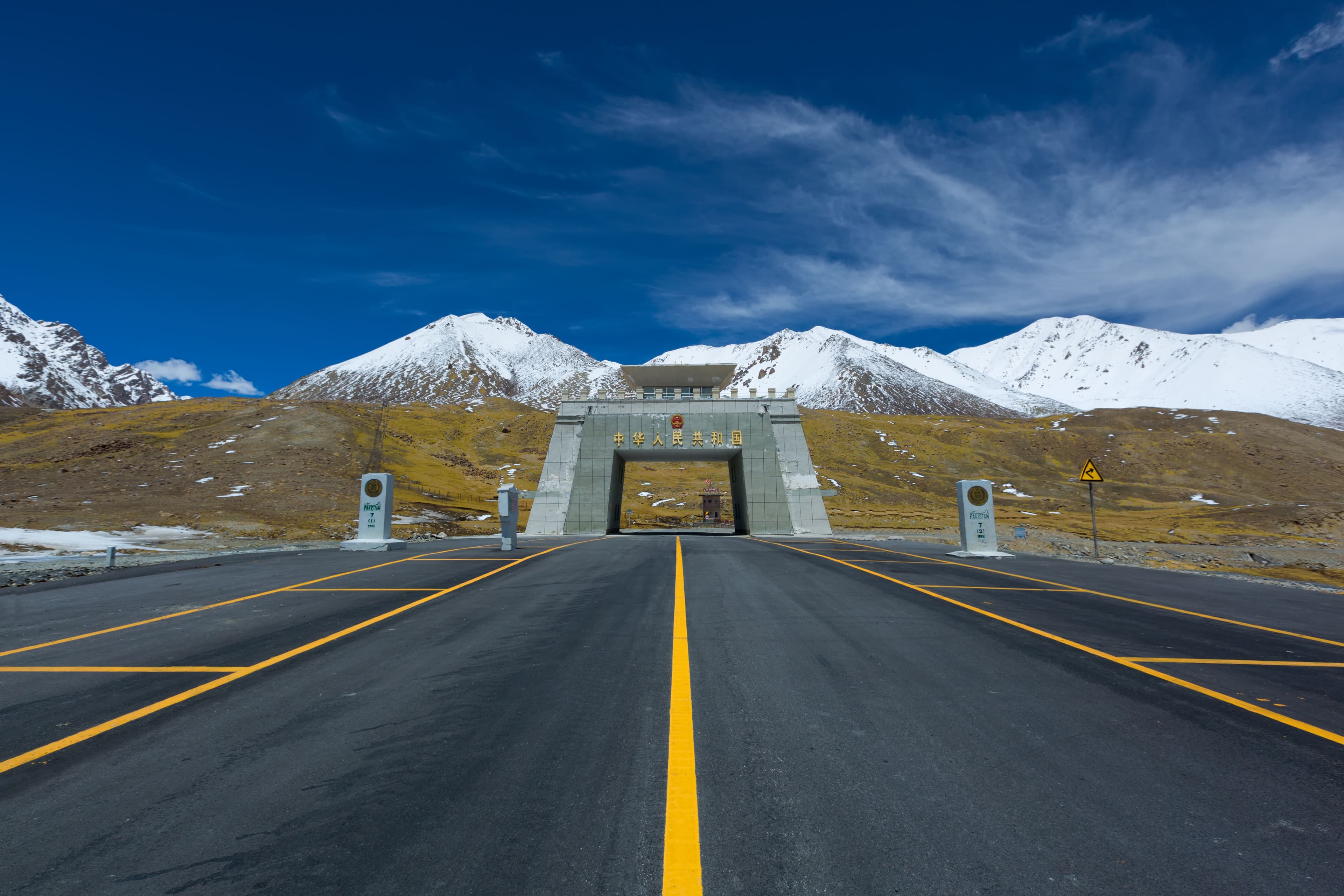
Discover the Majestic Khunjerab Pass: A Gateway to Adventure in Pakistan
Khunjerab Pass, renowned as one of the highest paved international border crossings in the world, is a breathtaking marvel located in the majestic Karakoram mountain range of Pakistan. This stunning pass, which connects Pakistan and China, offers visitors a unique blend of natural beauty, rich history, and cultural significance. In this article, we will delve into the fascinating history and origins of Khunjerab Pass, explore its architectural features, discover its cultural importance, highlight the myriad of activities available for visitors, and provide essential travel tips for making the most of your journey. Whether you're an adventure seeker, a history buff, or a nature lover, Khunjerab Pass promises an unforgettable experience.
As you traverse through this remarkable pass, you will not only be mesmerized by the panoramic views of snow-capped peaks and lush valleys but also gain insights into the rich tapestry of cultures that converge at this point. From the bustling markets of nearby towns to the serene landscapes surrounding the pass, Khunjerab offers a myriad of experiences that cater to all types of travelers. So, buckle up as we embark on a journey to uncover the wonders of Khunjerab Pass!
History & Origins of Khunjerab Pass
The history of Khunjerab Pass is as rich and diverse as the landscapes that surround it. Serving as a critical trade route for centuries, it has witnessed various empires and cultures throughout its existence. Initially, the pass was used by local tribes and traders who sought to engage in commerce across the formidable mountain ranges.
- Ancient Trade Route: Khunjerab Pass has been a vital link for traders between Central Asia and the Indian subcontinent since ancient times.
- Strategic Importance: Historically, it served as a military route and was pivotal during the Great Game between British India and Russia.
- Modern Developments: The pass was officially recognized as a border between Pakistan and China in 1963, further enhancing its significance.
The Silk Road Connection
One of the most intriguing aspects of Khunjerab Pass is its connection to the ancient Silk Road. This historic trade route facilitated the exchange of goods, culture, and ideas between East and West.
- Silk and Spices: Merchants traversed this route to trade silk, spices, and other valuable goods.
- Cultural Exchange: The Silk Road allowed for a rich exchange of cultures, fostering diversity in the region.
- Historical Landmarks: Remnants of ancient caravanserais and trade posts can still be found near the pass.
Architecture & Features of Khunjerab Pass
Khunjerab Pass is not only celebrated for its natural beauty but also for its unique architectural features. The stunning landscapes are complemented by the structures built to facilitate border crossing and support tourism.
- Border Post: The Khunjerab Customs Station is a prominent feature, designed to handle cross-border trade and travel.
- Viewing Platforms: Several viewing areas have been established for visitors to enjoy the breathtaking vistas of the surrounding mountains.
- Environmental Considerations: The architecture blends harmoniously with the environment, ensuring minimal impact on the natural landscape.
Infrastructure Development
In recent years, significant investments have been made to improve infrastructure around Khunjerab Pass, enhancing accessibility for travelers.
- Road Improvements: The road leading to the pass has seen upgrades, making it more accessible for vehicles.
- Tourist Facilities: Facilities such as rest areas and information centers have been established to cater to tourists.
- Security Measures: Enhanced security ensures the safety of travelers crossing the border.
Cultural & Religious Significance
Khunjerab Pass is not just a geographical landmark; it holds profound cultural and religious significance. The convergence of different cultures at this border point creates a unique atmosphere that reflects the rich heritage of the region.
- Ethnic Diversity: The area is home to various ethnic groups, including the Balti and Wakhi people, who contribute to its cultural richness.
- Religious Sites: Nearby villages feature mosques and shrines that reflect the spiritual heritage of the region.
- Festivals and Traditions: Local festivals, showcasing traditional music and dance, attract visitors and promote cultural exchange.
Local Communities
The communities surrounding Khunjerab Pass are integral to its cultural landscape. Engaging with locals provides a deeper understanding of their traditions and way of life.
- Hospitality: The warm hospitality of the locals enhances the visitor experience.
- Traditional Crafts: Local artisans produce unique handicrafts that reflect the cultural identity of the region.
- Food Culture: Authentic local cuisine, influenced by various cultures, offers a delightful culinary adventure.
What to See & Do at Khunjerab Pass
Khunjerab Pass is a treasure trove of activities and sights that cater to all types of travelers. From stunning landscapes to thrilling adventures, there is something for everyone.
- Scenic Views: The breathtaking views of the Karakoram mountains are a must-see for any visitor.
- Wildlife Spotting: The area is home to diverse wildlife, including the elusive snow leopard and ibex.
- Trekking Opportunities: Numerous trekking routes exist in the surrounding areas, offering varying levels of difficulty.
- Photography: The stunning landscapes provide excellent opportunities for photography enthusiasts.
Adventure Activities
For those seeking an adrenaline rush, Khunjerab Pass offers a variety of adventure activities that can elevate the travel experience.
- Mountain Biking: The rugged terrain is ideal for mountain biking enthusiasts looking for a challenge.
- Hiking Trails: Numerous trails lead to spectacular viewpoints and hidden gems.
- Camping: Camping under the stars in this pristine environment creates unforgettable memories.
The Visitor Experience at Khunjerab Pass
Visiting Khunjerab Pass is an experience like no other. The journey to the pass, the interactions with locals, and the stunning landscapes all contribute to a memorable adventure.
- Accessibility: The pass is accessible by road, with regular transport available from nearby towns.
- Guided Tours: Many travelers opt for guided tours to gain insights into the history and culture of the area.
- Visitor Facilities: Amenities such as restrooms and food stalls are available to enhance the visitor experience.
Crossing the Border
For those interested in crossing into China, there are specific protocols and requirements to follow. Understanding these can ensure a smooth transition.
- Visa Requirements: Travelers need a valid visa to enter China, which should be arranged in advance.
- Customs Regulations: Familiarize yourself with customs regulations for both countries to avoid any issues.
- Travel Restrictions: Stay updated on any travel advisories that may affect border crossing.
Location & How to Get There
Khunjerab Pass is located in the northern region of Pakistan, within the Gilgit-Baltistan territory. Its remote location adds to its allure, making it a hidden gem in the Karakoram range.
- Nearest City: The closest major city is Gilgit, approximately 200 kilometers away from the pass.
- Travel Options: Visitors can reach the pass via private vehicle or organized tours from Gilgit or Hunza Valley.
- Road Conditions: The road to Khunjerab Pass is well-maintained, but travelers should check local conditions before embarking on the journey.
- Border Crossing Times: The pass is open for crossing from 9 AM to 5 PM, so plan accordingly.
Transportation Tips
Understanding local transportation options can enhance the travel experience to Khunjerab Pass.
- Shared Vans: Shared vans are a popular choice for budget travelers and provide a cost-effective way to reach the pass.
- Private Cars: Renting a private car offers flexibility in terms of stops and sightseeing along the way.
- Guided Tours: Many companies offer guided tours that include transportation, meals, and local insights.
Best Time to Visit Khunjerab Pass
The ideal time to visit Khunjerab Pass is during the summer months when the weather is milder, and the landscapes are at their most vibrant. However, each season offers unique charms.
- Summer (June to September): This is the peak tourist season, with clear skies and warm temperatures, making it perfect for outdoor activities.
- Autumn (October): The fall foliage offers a stunning backdrop, ideal for photography enthusiasts.
- Winter (November to March): The pass is usually closed due to heavy snowfall, but the winter scenery is breathtaking for those who can access it.
- Spring (April to May): Wildflowers bloom, creating a picturesque landscape, though weather can be unpredictable.
Seasonal Considerations
Each season brings its own set of challenges and rewards, so being prepared is essential for a successful visit.
- Weather Gear: Pack appropriate clothing for varying temperatures, especially if visiting in spring or autumn.
- Road Conditions: Be aware that road conditions can change rapidly with the weather, impacting accessibility.
- Wildlife Sightings: Certain animals are more active during specific seasons, enhancing the chances of spotting them.
Nearby Attractions
While Khunjerab Pass is a destination in its own right, there are several nearby attractions worth exploring that can enhance your travel itinerary.
- Hunza Valley: Known for its stunning landscapes and rich culture, Hunza Valley is a must-visit.
- Passu Cones: Iconic pointed peaks that offer breathtaking views and excellent trekking opportunities.
- Karimabad: The capital of Hunza, featuring historical sites like Baltit Fort.
- Attabad Lake: A beautiful turquoise lake formed by a landslide, perfect for boating and photography.
Exploring Hunza Valley
Hunza Valley, located just a short distance from Khunjerab Pass, is renowned for its stunning landscapes and vibrant culture. A visit to this valley can enrich your travel experience.
- Local Cuisine: Savor traditional dishes such as chapshuro and Hunza bread in local eateries.
- Cultural Heritage: Explore the rich history of the region through its forts and museums.
- Adventure Activities: The valley offers numerous trekking and hiking opportunities for adventure enthusiasts.
Pro Tips for Visiting Khunjerab Pass
- Best Time: Visit during the summer months for optimal weather and accessibility.
- What to Carry: Bring layers of clothing, as temperatures can vary significantly, especially at higher altitudes.
- How to Get There: Consider joining a guided tour for a hassle-free experience, especially if it's your first time.
- Photography Tips: Early mornings provide the best light for photography; don't forget to capture the stunning vistas.
- Avoiding Crowds: Visit on weekdays or during off-peak hours to enjoy a quieter experience.
Quick Facts
| Category | Details |
|---|---|
| Location | Gilgit-Baltistan, Pakistan |
| Best Time to Visit | June to September |
| Entry Fee | Free for locals, check regulations for international visitors |
| Nearby Attractions | Hunza Valley, Passu Cones, Attabad Lake |
| Time Needed | 1-2 days for a comprehensive visit |
Frequently Asked Questions
What is the altitude of Khunjerab Pass?
Khunjerab Pass stands at an impressive altitude of 4,733 meters (15,497 feet) above sea level, making it one of the highest international border crossings in the world. This altitude contributes to its stunning views and unique climatic conditions.
Is Khunjerab Pass open year-round?
No, Khunjerab Pass is typically closed during the winter months due to heavy snowfall, usually from November to April. The best time to visit is during the summer months when the pass is open and accessible.
Do I need a visa to cross into China from Khunjerab Pass?
Yes, travelers need a valid visa to enter China. It is advisable to arrange this in advance, as border regulations are strict and can vary. Check with local authorities for the most current visa requirements.
What wildlife can I see around Khunjerab Pass?
The area around Khunjerab Pass is home to a variety of wildlife, including the snow leopard, ibex, and many species of birds. Wildlife enthusiasts should be prepared to spot these magnificent creatures while exploring the region.
Are there accommodation options near Khunjerab Pass?
While there are limited accommodation options directly at Khunjerab Pass, nearby towns like Sost and Hunza offer various hotels and guesthouses catering to different budgets. It is advisable to book in advance during peak tourist season.
Conclusion
Khunjerab Pass stands as a breathtaking testament to the beauty and diversity of Pakistan's northern regions. With its rich history, stunning architecture, and vibrant cultural significance, it offers a unique experience for travelers seeking adventure and exploration. Whether you're hiking through its scenic trails, engaging with local communities, or simply soaking in the majestic views, Khunjerab Pass is sure to leave an indelible mark on your travel memories. Plan your visit to this iconic landmark and embark on an unforgettable journey into the heart of the Karakoram Mountains.
Related Landmarks
- Discover the Majestic Hispar Pass: A Gateway to Adventure in Pakistan
- Discovering the Majestic Malakand Pass: A Gateway to Pakistanx27s Rich Heritage
- Discover the Majestic Shandur Pass: A Hidden Gem in Pakistan
- Explore the Majestic Khunjerab National Park: A Natural Wonderland in Pakistan
- Discover the Beauty and Adventure of Khanpur Dam: A Hidden Gem in Pakistan