Exploring the Enigmatic Buddha Caves of Pakistan: A Journey Through History and Art
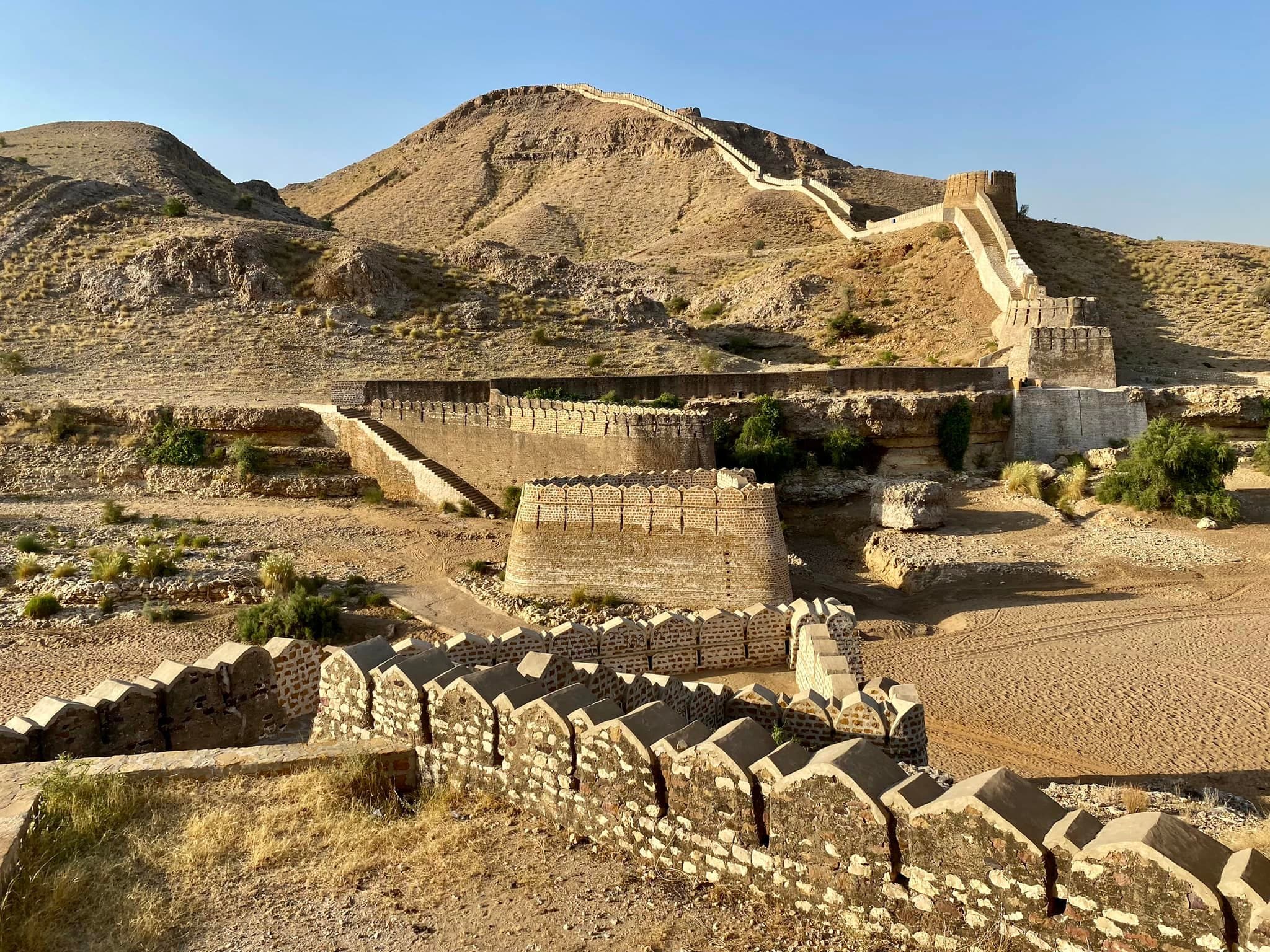
Exploring the Enigmatic Buddha Caves of Pakistan: A Journey Through History and Art
Nestled in the magnificent landscape of Pakistan lies a remarkable archaeological treasure known as the Buddha Caves. This ancient site, steeped in history and spirituality, offers a glimpse into the rich tapestry of Buddhist culture that once thrived in the region. In this article, we will delve into the captivating history, stunning architecture, and cultural significance of the Buddha Caves, as well as practical information for your visit, including the best time to go and nearby attractions.
The Buddha Caves, also referred to as the Udegram Caves, are a fascinating testament to the artistic and religious heritage of Buddhism in Pakistan. This site is not just a collection of caves; it is a profound narrative of faith, artistry, and the historical interactions of various cultures. By the end of this article, you will be equipped with valuable insights and practical tips to make the most of your journey to this enchanting destination.
History & Origins
The history of the Buddha Caves dates back to the 2nd century BCE, making it one of the oldest Buddhist sites in Pakistan. These caves were carved during the period of the Gandhara civilization, which was known for its innovative blend of Greek and Indian artistic styles. The caves served as monastic retreats for Buddhist monks and were adorned with intricate carvings and sculptures depicting the life of Buddha and various Bodhisattvas.
- Established: 2nd century BCE during the Gandhara civilization.
- Significance: Served as monastic retreats and pilgrimage sites for Buddhist practitioners.
- Influence: Reflects a unique blend of Greek and Indian artistic styles.
- Rediscovery: The site was rediscovered in the 19th century, revealing its hidden treasures.
- Preservation: Ongoing archaeological efforts continue to unearth and protect the caves.
Gandhara Civilization and Its Impact
The Gandhara civilization played a pivotal role in the spread of Buddhism across Central Asia and into the Indian subcontinent. The Buddha Caves are a direct reflection of this cultural exchange, showcasing the integration of Hellenistic art forms with traditional Buddhist themes. This unique blend not only enhances the aesthetic appeal of the caves but also signifies the rich historical interactions between different cultures.
Architecture & Features
The architecture of the Buddha Caves is a stunning showcase of ancient craftsmanship. Each cave is meticulously carved into the rocky hillside, with intricate details that speak of the artisans’ dedication and skill. The caves vary in size and layout, some featuring large prayer halls adorned with frescoes, while others serve as simple meditation cells.
- Carvings: Intricate sculptures and carvings depict various Buddhist motifs, including lotus flowers and Bodhisattvas.
- Frescoes: Walls adorned with vibrant frescoes that illustrate scenes from Buddha's life.
- Chambers: Different chambers serve various purposes, from meditation to communal gatherings.
- Natural Light: Strategic openings allow natural light to illuminate the interiors, enhancing the spiritual atmosphere.
- Materials: Primarily carved from the local sandstone, showcasing sustainable building practices.
Notable Caves
Among the many caves, a few stand out for their grandeur and artistic significance. The main cave features a colossal statue of Buddha, while others contain beautifully preserved murals that offer insights into the religious practices of the time. Each cave tells a story, inviting visitors to explore the spiritual legacy left behind by ancient monks.
Cultural & Religious Significance
The cultural and religious significance of the Buddha Caves extends far beyond their artistic value. These caves served as important pilgrimage sites for Buddhists and continue to hold spiritual importance today. The site reflects the historical spread of Buddhism and its impact on the region, showcasing how art and faith can intertwine to create a lasting legacy.
- Pilgrimage Site: Attracts visitors and pilgrims from around the world seeking spiritual enlightenment.
- Educational Value: Offers insights into the Buddhist teachings and practices of ancient times.
- Community Role: The caves fostered a sense of community among monks and practitioners.
- Cultural Exchange: Represents the interaction between various cultures, particularly Hellenistic and Indian.
- Symbol of Peace: Continues to be a symbol of peace and spirituality in a diverse landscape.
Festivals and Events
Throughout the year, various festivals and events are held at the Buddha Caves, celebrating Buddhist traditions and attracting visitors. These gatherings provide an opportunity for cultural exchange and reflection, allowing participants to engage with the teachings of Buddha in a profound setting.
What to See & Do
Visiting the Buddha Caves offers a unique opportunity to immerse oneself in the rich history and spirituality of the site. From exploring the intricately carved caves to participating in meditation sessions, there are numerous activities to enhance your experience.
- Guided Tours: Consider joining a guided tour to gain deeper insights into the history and significance of the caves.
- Photography: Bring your camera to capture the stunning architecture and serene landscapes.
- Meditation: Take part in meditation sessions held in the caves for a truly immersive experience.
- Cultural Workshops: Participate in workshops that teach traditional Buddhist practices and crafts.
- Nature Walks: Explore the surrounding natural beauty and landscapes for a holistic experience.
Visitor Information
As you plan your visit, it's important to be aware of the practical details. The site is open to visitors year-round, but specific timings may vary depending on the season. Facilities such as restrooms and basic amenities are available, but it's advisable to carry water and snacks, especially if you plan to spend a significant amount of time exploring the area.
The Visitor Experience
The experience of visiting the Buddha Caves is both enriching and transformative. The serene atmosphere, combined with the stunning artistry, creates a peaceful environment that invites reflection and contemplation. Visitors often describe a sense of tranquility upon entering the caves, as the intricate carvings and historic ambiance evoke a deep connection to the past.
- Accessibility: The caves are accessible by a short hike, providing an opportunity for exploration and appreciation of the surrounding environment.
- Guidance: Knowledgeable local guides are available to provide context and enhance your understanding of the site.
- Safety: Ensure to follow safety guidelines while exploring, especially in areas with steep terrain.
- Respect: Visitors are encouraged to respect the sacred nature of the site by maintaining silence and decorum.
- Local Culture: Engage with local vendors and communities to experience the vibrant culture surrounding the caves.
Location & How to Get There
The Buddha Caves are located in the picturesque region of Khyber Pakhtunkhwa, about 20 kilometers from the city of Peshawar. Reaching the site is relatively straightforward, with several transportation options available, making it accessible for both local and international travelers.
- Nearest City: Peshawar is the closest major city, providing various accommodation options.
- Transport Options: Buses and taxis are available from Peshawar to the caves.
- Driving: If you have access to a vehicle, the drive offers scenic views of the surrounding landscape.
- Local Guides: Hiring a local guide can enhance your visit and provide valuable insights.
- Signage: Look for signs directing you to the caves once you are in the vicinity.
Travel Tips
While the caves are accessible, it's essential to plan your journey carefully. Consider the local weather conditions, especially during the monsoon season, and be prepared for varying temperatures. Bringing comfortable footwear is advisable, as the terrain may require some hiking.
Best Time to Visit
The ideal time to visit the Buddha Caves is during the spring and autumn months when the weather is mild, making it perfect for exploration. The surrounding landscape is also at its most beautiful during these seasons, enhancing your overall experience.
- Spring: March to May offers pleasant weather and blooming flora.
- Autumn: September to November is also ideal, with clear skies and comfortable temperatures.
- Summer: June to August can be hot, making early mornings or late afternoons more suitable for visits.
- Winter: December to February may bring cooler temperatures, so dress warmly if visiting during this time.
- Festivals: Consider timing your visit with local festivals for a unique cultural experience.
Nearby Attractions
While the Buddha Caves are a highlight, the region offers a variety of other attractions worth exploring. From ancient ruins to vibrant markets, there is much to discover in Khyber Pakhtunkhwa.
- Peshawar Museum: Explore artifacts from various civilizations that have thrived in the region.
- Qissa Khwani Bazaar: A bustling market famous for its rich history and local crafts.
- Historical Forts: Visit the nearby Bala Hisar Fort for a glimpse into the military history of the area.
- Kaghan Valley: A stunning natural retreat offering breathtaking mountain views and hiking opportunities.
- Swat Valley: Known as the "Switzerland of the East," it offers beautiful landscapes and rich cultural experiences.
Pro Tips for Visiting Buddha Caves
- Best Time: Visit early in the morning or late in the afternoon to avoid crowds and enjoy a quieter experience.
- Photography: Bring a camera, but be respectful of the sacred environment when taking photos.
- Essentials: Carry water, snacks, and sunscreen, especially if you plan to hike in the surrounding areas.
- Local Culture: Engage with local guides and communities to enrich your visit and support local economies.
- Dress Appropriately: Wear comfortable clothing and shoes suitable for walking and exploring the caves.
Quick Facts
| Feature | Details |
|---|---|
| Location | Khyber Pakhtunkhwa, Pakistan |
| Best Time to Visit | March to May & September to November |
| Entry Fee | Free |
| Nearby Attractions | Peshawar Museum, Qissa Khwani Bazaar |
| Time Needed | 2-4 hours, depending on exploration |
Frequently Asked Questions
What are the Buddha Caves?
The Buddha Caves, also known as Udegram Caves, are ancient rock-cut caves located in Khyber Pakhtunkhwa, Pakistan. They date back to the 2nd century BCE and showcase intricate carvings, sculptures, and frescoes that highlight the rich history of Buddhism in the region.
How do I get to the Buddha Caves?
The Buddha Caves are approximately 20 kilometers from Peshawar. You can reach the site by taxi or bus from the city. If you prefer to drive, the journey offers scenic views of the surrounding landscapes.
Is there an entry fee for the Buddha Caves?
No, visiting the Buddha Caves is free of charge. However, it is advisable to carry some cash for local transportation or refreshments.
What should I wear when visiting the caves?
It is recommended to wear comfortable clothing and sturdy shoes suitable for walking and hiking. Since the caves are a sacred site, dressing modestly is also advised.
What is the best time to visit the Buddha Caves?
The best time to visit is during the spring (March to May) and autumn (September to November) when the weather is mild and conducive for exploring. Early mornings or late afternoons also provide a more serene experience.
Conclusion
The Buddha Caves are not just a historical site; they are a journey through time, offering a unique insight into the artistic and spiritual heritage of Buddhism in Pakistan. With their stunning architecture, rich history, and serene atmosphere, the caves provide an enriching experience for all visitors. Whether you are a history enthusiast, a spiritual seeker, or simply a traveler looking for a unique destination, the Buddha Caves are a must-visit landmark that promises to leave a lasting impression. Prepare to embark on a journey filled with beauty, culture, and tranquility in this remarkable site.
Related Landmarks
- Discover the Enigmatic Ghalegay Buddha: A Hidden Gem in Pakistan
- Discovering Kargah Buddha: A Marvel of Ancient Art and Culture in Pakistan
- Explore the Enigmatic Tomb of Queen Nur Jahan: A Journey through History
- Discovering the Chitral Museum: A Journey Through History and Culture in Pakistan
- Discovering Altit Fort: A Journey Through History and Culture in Pakistan