Nanga Parbat Viewpoint: A Majestic Gateway to the Killer Mountain
Nanga Parbat Viewpoint: A Majestic Gateway to the Killer Mountain
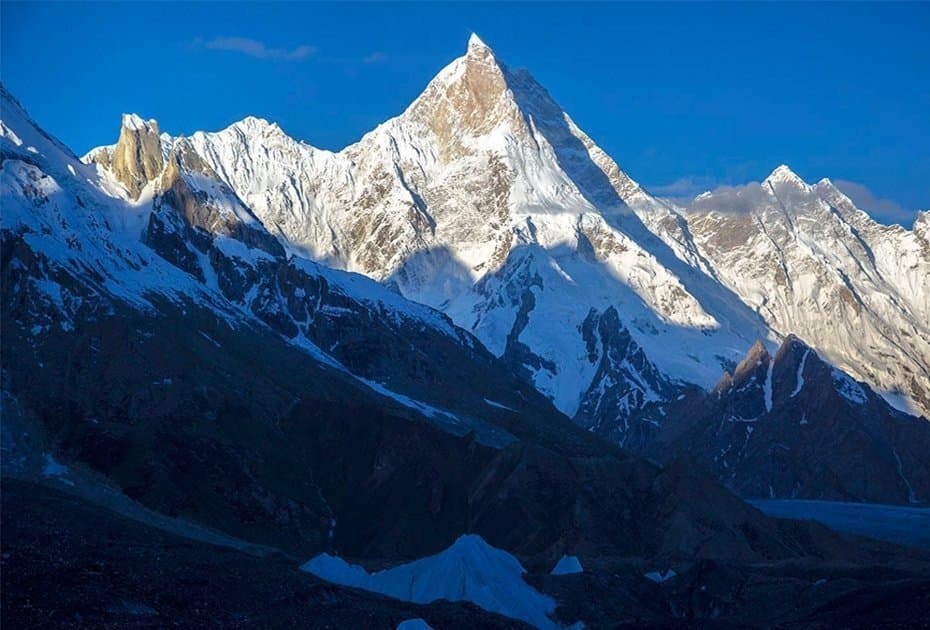
Nanga Parbat, one of the most breathtaking peaks in the world, stands majestically in the northern part of Pakistan. Known as the 'Killer Mountain' due to its challenging climbing conditions, it offers an unparalleled view from its viewpoint that attracts adventurers and nature lovers alike. This article will take you on a journey through the captivating history, cultural significance, and visitor experiences at Nanga Parbat Viewpoint, ensuring you know everything you need for an unforgettable visit.
From understanding its rich history and architectural features to discovering what to see and do in the vicinity, this guide will equip you with all the essential information. Whether you are a seasoned trekker or a casual traveler, the Nanga Parbat Viewpoint promises an experience like no other, showcasing the raw beauty of nature paired with a hint of adventure.
History & Origins
The history of Nanga Parbat is as profound as its towering presence. First climbed in 1953 by Hermann Buhl, it has since become a significant site for mountaineers and explorers. The mountain's name, derived from the local dialect, translates to "Naked Mountain," reflecting its sheer and imposing structure. Over the years, Nanga Parbat has witnessed numerous climbing expeditions, each contributing to its legendary status.
- First Ascent: Achieved in 1953 by Hermann Buhl, marking a significant event in mountaineering history.
- Symbol of Adventure: Nanga Parbat has become a symbol for climbers worldwide, representing both beauty and danger.
- Rich Cultural Heritage: The region surrounding Nanga Parbat is steeped in local folklore and traditions.
Climbing Challenges
The mountain is notorious for its difficult climbing routes, which have earned it the name 'Killer Mountain.' Climbers face various challenges, including unpredictable weather and technical ascents. Many have attempted the climb, but only a few have succeeded, adding to the allure of Nanga Parbat.
- Altitude: Nanga Parbat stands at 8,126 meters, making it the ninth-highest mountain in the world.
- Technical Climbing: Routes like the Rupal Face are considered among the most difficult climbs globally.
- Fatalities: The mountain has a high fatality rate among climbers, contributing to its fearsome reputation.
Architecture & Features
Nanga Parbat Viewpoint is not just about the mountain; its surrounding architecture and features also play a significant role in enhancing the visitor experience. The viewpoint is strategically located to provide panoramic vistas of the majestic peak and the lush valleys below. The natural landscaping, alongside local huts and facilities, creates a perfect base for visitors.
- Viewing Platforms: Well-constructed platforms allow for unobstructed views of Nanga Parbat.
- Access Facilities: Basic amenities like restrooms and small eateries are available for visitor convenience.
- Scenic Trails: Surrounding trails offer various hiking options, suitable for different skill levels.
Natural Features
The area surrounding Nanga Parbat is rich in natural beauty, with lush green valleys, glacial streams, and diverse flora and fauna. The contrast of the snow-capped peak against the greenery creates a stunning visual spectacle that enchants every visitor.
- Flora: The region is home to a variety of plant species, enhancing its ecological diversity.
- Wildlife: Visitors may encounter unique wildlife, including Himalayan ibex and snow leopards.
- Rivers and Streams: Glacial meltwaters form beautiful streams, adding to the area's scenic charm.
Cultural & Religious Significance
Nanga Parbat is not only a natural wonder but also holds cultural and spiritual significance for the local communities. The mountain is revered in folklore and traditions, often symbolizing a divine presence. Many locals regard it as a sacred site, fostering a deep connection between the people and the mountain.
- Local Legends: Numerous legends surround Nanga Parbat, often depicting it as a guardian spirit of the region.
- Festivals: Local cultural festivals celebrate the mountain, showcasing traditional music and dance.
- Community Ties: The communities around Nanga Parbat are deeply connected to the mountain, influencing their lifestyle and traditions.
Spirituality
Many visitors find a sense of spirituality at Nanga Parbat Viewpoint, where the majestic landscape fosters reflection and peace. The mountain has inspired countless artists and writers, further embedding its significance in the culture.
- Inspirational Art: The mountain has been the subject of various artistic expressions, from paintings to literature.
- Retreats: Some visitors seek solitude and meditation opportunities in the serene environment.
- Connection with Nature: Many find that the beauty of Nanga Parbat enhances their spiritual connection to the natural world.
What to See & Do
Nanga Parbat Viewpoint offers a plethora of activities and stunning sights for all types of travelers. From trekking and photography to simply soaking in the breathtaking views, there is something for everyone. The area is a haven for outdoor enthusiasts and those seeking tranquility alike.
- Trekking: There are several trekking routes of varying difficulty levels accessible from the viewpoint.
- Photography: The panoramic views offer excellent opportunities for stunning photography, especially during sunrise and sunset.
- Camping: For those who wish to immerse themselves in nature, camping provides a unique experience under the stars.
Nearby Hiking Trails
For adventure seekers, the trails around Nanga Parbat are a major highlight. Each trail offers unique perspectives of the mountain, allowing visitors to explore the natural beauty from different angles.
- Fairy Meadows Trek: A popular trek that leads to the enchanting Fairy Meadows, providing stunning views of Nanga Parbat.
- Rupal Base Camp Trek: A challenging trek that takes you closer to the Rupal Face, one of the most impressive aspects of the mountain.
- Nanga Parbat Base Camp: For serious trekkers, this route offers a chance to experience the mountain up close.
The Visitor Experience
Visiting Nanga Parbat Viewpoint is an experience filled with awe and wonder. The journey to the viewpoint itself is an adventure, with breathtaking landscapes and rich cultural interactions along the way. Many visitors describe the experience as life-changing, often citing the serene environment as a source of inspiration and peace.
- Guided Tours: Many local guides offer tours, providing insights into the mountain's history and importance.
- Visitor Amenities: Basic facilities are available, including rest areas and food stalls, enhancing the visitor experience.
- Community Engagement: Interacting with local communities can enrich your understanding of the region's culture and traditions.
Visitor Feedback
Feedback from visitors is overwhelmingly positive, with many praising the natural beauty and the hospitality of local communities. The sense of peace and connection to nature is frequently highlighted, making the journey worthwhile.
- Reviews: Travelers often share their experiences online, recommending the viewpoint for its stunning vistas.
- Social Media: The viewpoint is a popular spot for social media posts, showcasing the breathtaking scenery.
- Word of Mouth: Many visitors return and encourage friends and family to explore the area.
Location & How to Get There
Nanga Parbat Viewpoint is located in the Gilgit-Baltistan region of Pakistan, a place known for its stunning landscapes and rich culture. Getting there involves some planning, but the journey itself is part of the adventure. The nearest major town is Gilgit, from where various travel options are available.
- Access Points: The most common access point is from Gilgit, which is well-connected by road.
- Transport Options: Visitors can opt for local buses, private taxis, or organized tours to reach the viewpoint.
- Travel Duration: The journey from Gilgit to Nanga Parbat can take several hours, depending on road conditions.
Road Conditions
The roads leading to Nanga Parbat can be challenging, especially during certain seasons. It is advisable to check local conditions before traveling.
- Seasonal Variations: Road conditions can vary significantly depending on the weather and season.
- Vehicle Recommendations: A 4x4 vehicle is often recommended for the best experience.
- Guided Transport: Many travelers prefer to use guided transport services that are familiar with the terrain.
Best Time to Visit
The best time to visit Nanga Parbat Viewpoint largely depends on personal preference and weather conditions. The region experiences diverse weather patterns, which can impact visibility and accessibility. Generally, the months of June to September are considered ideal for visitors seeking pleasant weather and clear views.
- Summer Months: June to September offers the best weather conditions for trekking and sightseeing.
- Winter Months: From November to March, the area can be harsh, with heavy snowfall making access difficult.
- Fall Colors: Late September to early October showcases stunning autumn colors, adding to the beauty of the landscape.
Seasonal Events
During the peak season, various local festivals and events take place, enhancing the visitor experience. Engaging in these events can offer insights into local culture and traditions.
- Local Festivals: Look out for cultural festivals that celebrate the mountain and local heritage.
- Adventure Competitions: Some years may host climbing competitions, drawing enthusiasts from around the world.
- Community Events: Participating in community events can provide a deeper understanding of local life.
Nearby Attractions
While Nanga Parbat Viewpoint is a highlight, several nearby attractions are worth exploring. These sites offer a blend of natural beauty and cultural richness, making them perfect additions to your itinerary.
- Fairy Meadows: A breathtaking plateau with stunning views of Nanga Parbat, perfect for camping and hiking.
- Ratti Gali Lake: A picturesque glacial lake surrounded by lush greenery and mountains.
- Skardu Valley: Known for its stunning landscapes and cultural significance, Skardu is a gateway to various trekking routes.
Exploring Skardu
Skardu Valley is an excellent base for exploring the region, with various attractions and activities available. From historical sites to natural wonders, Skardu offers something for everyone.
- Historical Sites: Visit ancient forts and monasteries that reflect the rich history of the region.
- Adventure Activities: Engage in activities like trekking, boating, and even rock climbing.
- Local Cuisine: Don’t miss the opportunity to savor local dishes in Skardu's charming eateries.
Pro Tips for Visiting Nanga Parbat Viewpoint
- Best Time to Visit: Plan your visit between June and September for the best weather.
- What to Carry: Bring a good camera, comfortable hiking shoes, and essentials like water and snacks.
- Getting There: Consider hiring a local guide or using organized tours for a smoother experience.
- Photography Tips: Early mornings and late afternoons provide the best lighting for photography.
- Avoiding Crowds: Try to visit during weekdays or early in the morning to escape the crowds.
Quick Facts
| Category | Details |
|---|---|
| Location | Gilgit-Baltistan, Pakistan |
| Best Time to Visit | June to September |
| Entry Fee | No entry fee required |
| Nearby Attraction | Fairy Meadows, Skardu Valley |
| Time Needed | 1-2 days for optimal experience |
Frequently Asked Questions
What is the best way to reach Nanga Parbat Viewpoint?
The best way to reach Nanga Parbat Viewpoint is by traveling to Gilgit and then taking a local taxi or joining a guided tour. The journey offers scenic views, making it part of the adventure.
Is there an entry fee for visiting the viewpoint?
No, there is no entry fee required for visiting Nanga Parbat Viewpoint. However, costs may be associated with transport and guided tours.
What should I pack for my visit?
It is advisable to pack appropriate clothing for varying weather, a good camera for photography, trekking gear, water, and snacks. Don't forget sunscreen and a first-aid kit for safety.
Can I camp near the viewpoint?
Yes, camping is allowed near Nanga Parbat Viewpoint, particularly in areas like Fairy Meadows. It provides a unique experience under the stars with magnificent views of the mountain.
What activities are available near Nanga Parbat Viewpoint?
Visitors can enjoy various activities, including trekking, photography, and camping. There are numerous trails that lead to stunning vistas and opportunities for adventure.
Conclusion
Nanga Parbat Viewpoint is undeniably one of the most awe-inspiring destinations in Pakistan, offering a perfect blend of adventure, culture, and natural beauty. Whether you are an avid climber, a nature enthusiast, or someone seeking solace in the mountains, this viewpoint provides an unforgettable experience. Plan your visit to Nanga Parbat and immerse yourself in the breathtaking landscapes that await you!
Related Landmarks
- Exploring the Majestic Nanga Parbat: A Guide to Pakistanx27s Iconic Mountain
- Discovering the Majestic Rakaposhi Viewpoint: A Hidden Gem in Pakistan
- Discover the Breathtaking Beauty of Passu Cones Viewpoint in Pakistan
- Discover the Majestic Khunjerab Pass: A Gateway to Adventure in Pakistan
- Discover the Majestic Hispar Pass: A Gateway to Adventure in Pakistan