Sweets Of Pakistan: A Delectable Journey Through Sweet Traditions
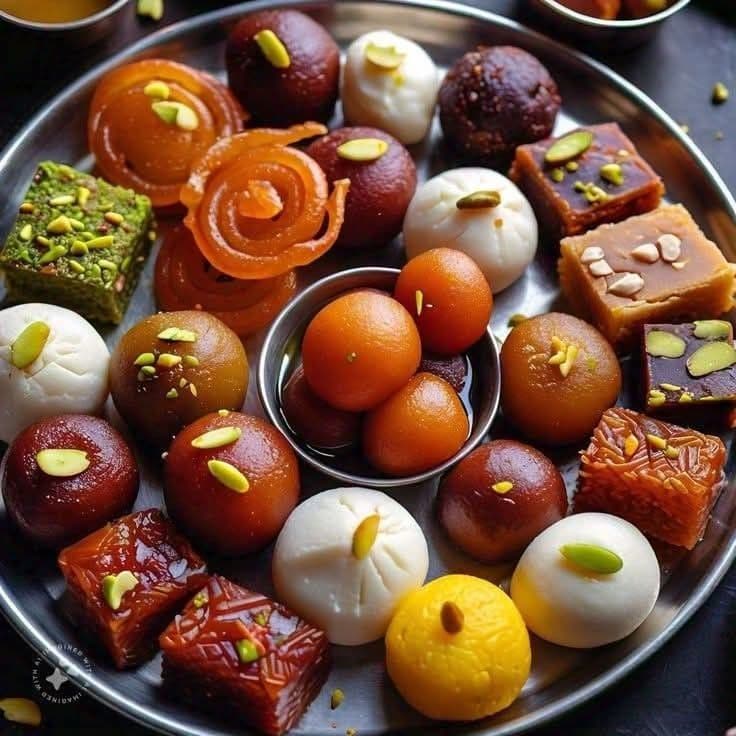
Sweets Of Pakistan: A Delectable Journey Through Sweet Traditions
Pakistan is a land rich in culture and diversity, where every region boasts its own unique culinary delights. Among these, the sweets of Pakistan hold a special place, symbolizing hospitality and celebration. From traditional desserts made with local ingredients to modern interpretations, the sweets of this vibrant country offer a delightful exploration for the taste buds. In this article, we will delve into the history and origins of Pakistani sweets, their cultural significance, popular varieties, and practical tips for experiencing these sugary delights firsthand.
As you immerse yourself in the world of sweets in Pakistan, you will discover not only the flavors that define this cuisine but also the stories behind them. Whether you are a sweet-toothed traveler or simply curious about the culinary landscape of Pakistan, this guide will provide valuable insights into what makes these sweets so special. Prepare to embark on a sugary adventure that will leave you craving more!
History & Origins of Sweets in Pakistan
The history of sweets in Pakistan is a rich tapestry woven with influences from various cultures that have settled in the region over centuries. The art of making sweets has been passed down through generations, with each era contributing to the evolution of flavors and techniques. Pakistani sweets often reflect the cultural heritage of the land, blending local ingredients and traditional recipes.
- Ancient Roots: The origins of many sweets can be traced back to the Indus Valley Civilization, known for its agricultural abundance.
- Influence of Mughal Cuisine: The Mughal Empire significantly shaped the dessert landscape, introducing ingredients like sugar, almonds, and saffron.
- Regional Variations: Different regions in Pakistan have developed unique sweets based on local tastes and available ingredients, creating a diverse range of options.
Mughal Influence on Sweets
The Mughal Empire, which ruled over much of the Indian subcontinent from the 16th to the 19th centuries, left an indelible mark on the culinary practices of the region. Their love for luxury and opulence extended to their desserts, leading to the creation of rich and indulgent sweets.
- Ras Malai: A creamy dessert made of paneer and soaked in sweetened milk, often flavored with cardamom.
- Gulab Jamun: Soft dough balls made from khoya, deep-fried and soaked in sugar syrup flavored with rose water.
Highlights & Features of Pakistani Sweets
Pakistani sweets are characterized by their use of aromatic spices, rich textures, and a variety of flavors that cater to every palate. The highlights of these sweets include their visual appeal and the intricate methods used to create them. Each sweet has a story to tell, often associated with festivals, weddings, and other celebrations.
- Variety: From milk-based sweets to those made with flour and nuts, there is an impressive diversity of options.
- Textural Contrast: Many sweets offer a delightful mix of soft, crunchy, and chewy textures, making each bite an experience.
- Celebratory Significance: Sweets are an essential part of celebrations, symbolizing joy and prosperity.
Popular Sweet Varieties
Some of the most popular sweets that you must try in Pakistan include:
- Baklava: Layers of filo pastry filled with nuts and honey, offering a delightful crunch.
- Kheer: A rice pudding made with milk, sugar, and flavored with cardamom and nuts.
- Barfi: A dense milk-based dessert that comes in various flavors, often garnished with pistachios.
Cultural Significance of Sweets in Pakistan
Sweets hold a significant place in Pakistani culture, often symbolizing love, hospitality, and celebration. They are an integral part of various rituals and festivities, representing the joy of togetherness. Sharing sweets is a common practice during gatherings, weddings, and religious occasions, showcasing the warmth and generosity of the Pakistani people.
- Weddings: Sweets are a staple in wedding celebrations, symbolizing sweetness in the couple's new life.
- Eid Festivals: During Eid, families prepare an array of sweets to share with friends and neighbors, fostering a sense of community.
- Gift-Giving: Sweets are often gifted during special occasions, serving as a gesture of goodwill.
Regional Festivals and Sweets
Different regions of Pakistan celebrate various festivals, and each has its own signature sweets associated with them. These sweets reflect the local culture and traditions.
- Chand Raat: On the eve of Eid, special sweets are prepared to celebrate the sighting of the moon.
- Basant: This spring festival is marked by the preparation of vibrant sweets enjoyed during kite-flying.
What to See & Do at Sweets of Pakistan
Visiting Pakistan offers a unique opportunity to experience its rich culture through its sweets. From bustling markets to local sweet shops, there is much to explore. Engaging with local vendors and tasting fresh sweets can enhance your understanding of the culinary heritage of the country.
- Sweet Shops: Visit renowned sweet shops like Chandni Chowk or Haji Sweets to sample authentic treats.
- Culinary Tours: Join guided tours that focus on traditional sweets, learning about their preparation and cultural significance.
- Cooking Classes: Participate in cooking classes to learn how to make popular sweets yourself.
Markets to Explore
Some markets in Pakistan are famous for their sweets and offer a vibrant atmosphere for food lovers:
- Liberty Market in Lahore: Known for its wide variety of sweets and desserts.
- Meena Bazaar in Karachi: A bustling market where you can find an array of local sweets.
The Visitor Experience of Sweets of Pakistan
Traveling through Pakistan to experience its sweets is an unforgettable journey. From the first bite of a sweet treat to the warm smiles of the vendors, visitors are often enchanted by the rich flavors and cultural stories behind each delicacy. Engaging with locals and understanding their traditions adds depth to the experience.
- Interactive Experiences: Many sweet shops offer tastings and allow visitors to see how sweets are made.
- Local Interactions: Be prepared to engage with friendly locals who are eager to share their culinary traditions.
- Photo Opportunities: The colorful displays of sweets make for fantastic photo opportunities.
Must-Try Sweets When Visiting
When visiting Pakistan, make sure to try the following sweets:
- Jalebi: Spirals of deep-fried batter soaked in syrup, famous for their crispy texture.
- Chum Chum: Sweet, spongy balls made from paneer, often garnished with coconut.
Location & How to Get There
The sweets of Pakistan can be found throughout the country, from bustling cities to quaint villages. Major cities like Lahore, Karachi, and Islamabad are well-known for their sweet shops, each offering a unique variety. Traveling between these cities is relatively easy, with various modes of transportation available, including flights, buses, and trains.
- Major Cities: Lahore, Karachi, and Islamabad are key locations with numerous sweet shops.
- Transportation: Domestic flights, buses, and railways connect major cities, making travel convenient.
- Local Transport: Within cities, auto-rickshaws or ride-hailing apps are popular for short commutes.
Exploring Different Regions
Each region in Pakistan has its own specialty sweets, making it worthwhile to explore various areas:
- Punjab: Known for its rich milk-based sweets like Rabri.
- Sindh: Famous for Soji, a semolina dessert enjoyed in various celebrations.
Best Time to Visit Sweets of Pakistan
The best time to explore the sweets of Pakistan is during the festive seasons when sweet shops are brimming with special treats. Festivals like Eid and weddings see a surge in sweet production, offering visitors a chance to taste unique varieties that may not be available at other times. Additionally, the weather is generally more pleasant during spring and autumn, making it ideal for travel.
- Festive Seasons: Eid, Basant, and weddings are peak times for experiencing local sweets.
- Weather Considerations: Visit during spring (March to May) or autumn (September to November) for comfortable temperatures.
- Weekends: Local markets are busier on weekends, providing a vibrant atmosphere.
Nearby Attractions
While indulging in the sweets of Pakistan, consider exploring nearby attractions to enrich your travel experience. Each city offers historical landmarks, cultural sites, and beautiful landscapes, allowing for a well-rounded visit.
- Lahore Fort: A UNESCO World Heritage Site that showcases Mughal architecture.
- Karachi Clifton Beach: A popular destination for relaxation and seaside activities.
- Islamabad Faisal Mosque: An iconic mosque known for its stunning architecture.
Pro Tips for Visiting Sweets Of Pakistan
- Visit During Festivals: Experience a wider variety of sweets during local festivals and celebrations.
- Carry Cash: Many local sweet shops prefer cash transactions, so it's wise to have local currency on hand.
- Try Street Sweets: Don't miss out on street vendors who offer unique and delicious homemade sweets.
- Photography: Capture the colorful displays of sweets, but be respectful and ask for permission.
- Avoid Crowds: Visit popular sweet shops early in the morning to avoid long lines.
Quick Facts
| Fact | Details |
|---|---|
| Location | Major cities across Pakistan: Lahore, Karachi, Islamabad |
| Best time to visit | Spring (March to May) and Autumn (September to November) |
| Entry fee | Free to enter sweet shops; prices vary for sweets |
| Nearby attractions | Lahore Fort, Clifton Beach, Faisal Mosque |
| Time needed | 1-2 days to explore sweets in Lahore or Karachi |
Frequently Asked Questions
What are the most popular sweets in Pakistan?
Some of the most popular sweets in Pakistan include Gulab Jamun, Jalebi, Barfi, and Kheer. Each region has its own specialties, making the sweet landscape incredibly diverse.
Are Pakistani sweets suitable for vegetarians?
Yes, many Pakistani sweets are vegetarian as they are primarily made from dairy products, sugar, and flour. However, it's always good to check specific ingredients if you have dietary restrictions.
Can I buy sweets online in Pakistan?
Yes, many sweet shops and brands offer online ordering and delivery services. You can easily browse their menus and have sweets delivered to your doorstep.
How long do Pakistani sweets last?
Most Pakistani sweets have a shelf life of a few days to a week, depending on the ingredients used. It's best to consume them fresh for the best taste and texture.
Is it common to gift sweets in Pakistan?
Absolutely! Gifting sweets is a common practice in Pakistan, especially during festivals, weddings, and other celebrations. It symbolizes goodwill and hospitality.
Conclusion
Exploring the sweets of Pakistan is not just a culinary experience; it is a journey through the heart of its culture and traditions. Each sweet carries with it a story of love, celebration, and community. Whether you are indulging in the rich flavors of Gulab Jamun or the crispy texture of Jalebi, you are sure to find joy in every bite. As you plan your travels, make sure to include this delightful aspect of Pakistani culture — it promises to be a memorable highlight of your visit.
Related Blogs
- A Colorful Chilam Joshi Festival: Experience the Vibrant Traditions of Pakistan
- Top 10 Most Popular Pakistani Foods: A Culinary Journey
- Khyber Pass: A Fascinating Journey Through Time
- Exploring the Nomadic People of Pakistan: A Journey Through Culture and Tradition
- Exploring the Majestic Forts of Cholistan: A Journey Through Time