Exploring the Nomadic People of Pakistan: A Journey Through Culture and Tradition
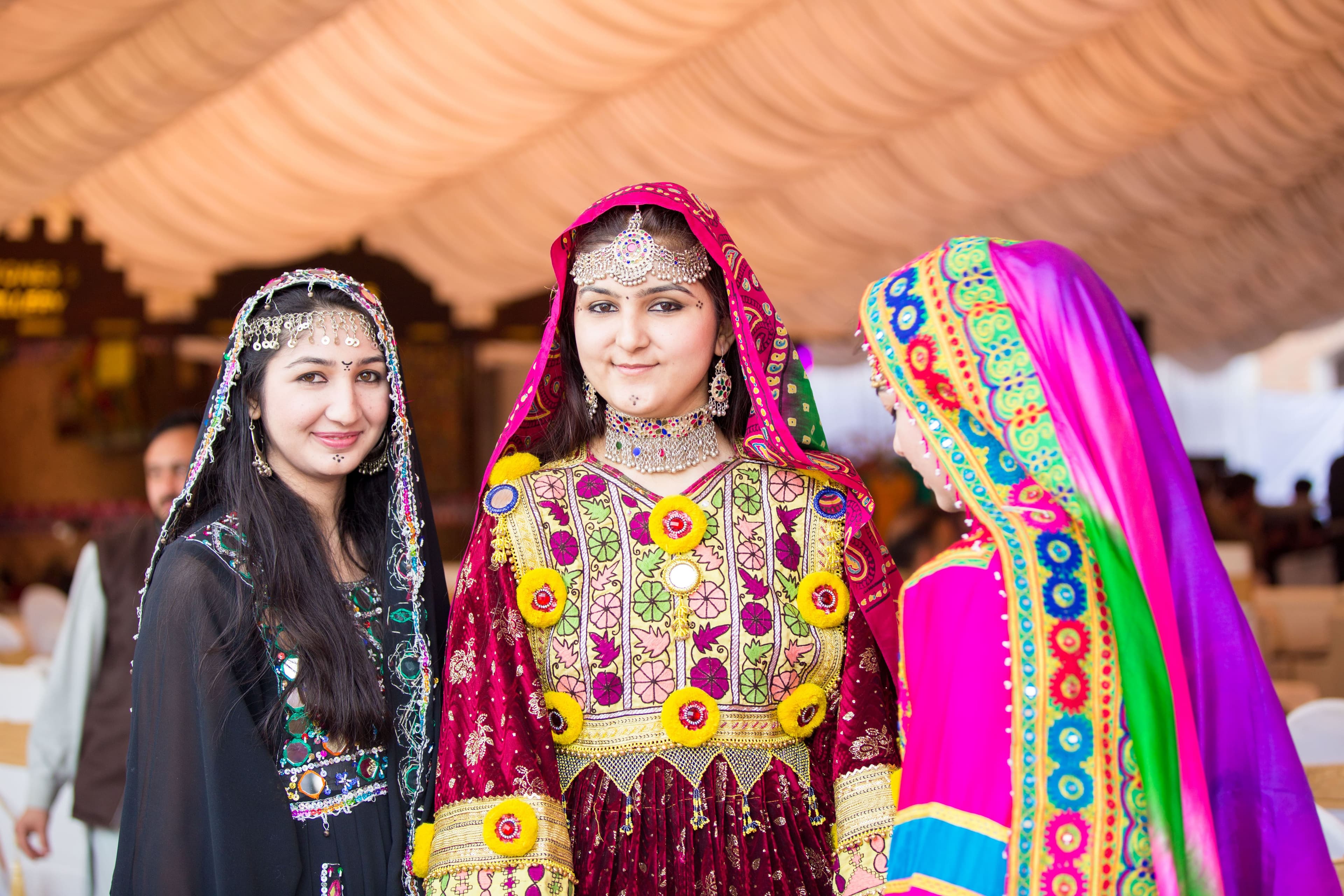
Exploring the Nomadic People of Pakistan: A Journey Through Culture and Tradition
Pakistan is a land of rich history and diverse cultures, and among its most fascinating aspects are the nomadic tribes that have roamed its landscapes for centuries. These tribal communities, known for their vibrant traditions, unique lifestyles, and profound connection to nature, offer a glimpse into a world that is rapidly changing. In this article, we will delve into the history and origins of the nomadic people of Pakistan, uncover their cultural significance, explore what visitors can see and do, and provide practical tips for an enriching experience.
The nomadic tribes of Pakistan, including the Pashtun, Baloch, and Gypsy communities, have maintained their traditions while adapting to modern influences. As you read on, you will discover the highlights of their lifestyles, the best times to visit, and the nearby attractions that enhance this cultural journey. Whether you are a seasoned traveler or a curious explorer, understanding the nomadic people of Pakistan will enrich your travel experience.
History and Origins of Nomadic Tribes
The history of the nomadic people of Pakistan is as diverse as the tribes themselves. Their origins can be traced back thousands of years, shaped by the geography and climate of the regions they inhabit. These communities traditionally moved with the seasons, following livestock grazing routes and trade paths, which influenced their cultural practices and social structures.
- Pashtun Tribes: One of the largest groups, known for their cultural code of conduct called Pashtunwali.
- Baloch Nomads: They primarily inhabit Balochistan and are known for their intricate handicrafts.
- Gypsy Communities: These groups have a rich oral tradition and are often known for their music and dance.
- Trade Routes: Nomadic tribes historically used significant trade routes, linking them to Central Asia.
- Adaptability: Each tribe has adapted its lifestyle according to the environmental conditions of their respective regions.
The Pashtun Nomads
The Pashtun nomads, or Kuchi, are primarily found in the southern regions of Afghanistan and the northwestern areas of Pakistan. Their lifestyle revolves around pastoralism, and they are known for their vibrant dress and hospitality.
- Seasonal Migration: They migrate between summer and winter pastures.
- Traditional Attire: Women wear colorful dresses, while men often don shalwar kameez.
- Pashtunwali Code: This code governs their social interactions and community life.
Baloch Nomads
The Baloch people, known for their resilience and hospitality, inhabit the arid regions of Balochistan. Their nomadic lifestyle is characterized by their movement in search of water and grazing land for their livestock.
- Cultural Dress: Baloch men wear traditional shalwar kameez, while women adorn themselves with intricate embroidery.
- Handicrafts: They are skilled artisans, creating beautiful rugs and jewelry.
- Oral Traditions: Their history and culture are passed down through storytelling.
Highlights and Features of Nomadic Life
The nomadic lifestyle is rich in tradition and experiences that reflect a deep connection to the earth and its cycles. Their way of life is characterized by communal living, storytelling, and a range of unique customs that contribute to their identity.
- Community Festivals: These tribes celebrate various festivals that showcase their music, dance, and traditional games.
- Livestock Rearing: Sheep, goats, and camels are central to their economy and culture.
- Traditional Music: Each tribe has its unique musical style, often performed at gatherings and celebrations.
- Food and Cuisine: Their diet includes dairy products, meat, and traditional bread, often cooked over open flames.
- Craftsmanship: The nomadic tribes are known for their intricate craftsmanship, particularly in textiles and pottery.
Cultural Significance of Nomadic Communities
Nomadic tribes in Pakistan play a crucial role in preserving the cultural heritage of the region. Their practices reflect a harmonious relationship with nature, and their traditions contribute to the broader tapestry of Pakistani culture.
- Preservation of Language: Many nomadic tribes speak distinct dialects that are integral to their identity.
- Traditional Wisdom: They possess a wealth of knowledge about medicinal plants and natural resources.
- Artistic Expression: Their music, dance, and art forms are vital for cultural transmission.
- Social Structures: The communal living and decision-making processes highlight their strong social bonds.
- Environmental Stewardship: Their nomadic lifestyle promotes sustainable practices that benefit the ecosystem.
What to See and Do with Nomadic Tribes
Visiting the nomadic tribes of Pakistan offers a unique opportunity to engage with their culture and traditions. Travelers can participate in various activities that provide insight into their daily lives.
- Participate in Festivals: Experience traditional festivals that showcase music, dance, and local cuisine.
- Photography: Capture the vibrant life of the nomadic tribes, but be respectful of their customs.
- Learn Traditional Skills: Engage in workshops to learn about their craftsmanship and cooking techniques.
- Cultural Exchange: Share stories and experiences with the tribes to foster mutual understanding.
- Wildlife Watching: Explore the unique ecosystems that these tribes inhabit, often rich in biodiversity.
The Visitor Experience: Engaging with Nomadic Life
Traveling to meet the nomadic tribes of Pakistan can be a transformative experience. It allows visitors to step out of their comfort zones and understand a lifestyle vastly different from their own.
- Respect Local Customs: Always ask for permission before taking photographs or intruding on personal space.
- Stay in Local Accommodations: Opt for homestays or camps to experience their hospitality firsthand.
- Guided Tours: Consider hiring a local guide to navigate cultural nuances and ensure respectful interactions.
- Engage Meaningfully: Participate in daily activities and rituals to gain deeper insights into their lives.
- Leave No Trace: Be environmentally conscious and minimize waste during your visit.
Location and How to Get There
The nomadic tribes of Pakistan are primarily located in regions that are often remote and require careful planning to access. Understanding the geography and logistics is essential for travelers wishing to immerse themselves in their culture.
- Balochistan: This province is home to many Baloch nomads and can be reached via Quetta, the provincial capital.
- Khyber Pakhtunkhwa: The Kuchi tribes can be found in areas near Peshawar and along the Afghan border.
- Accessing Remote Areas: A 4x4 vehicle is often necessary to navigate the rugged terrain.
- Local Guides: Hiring a local guide is recommended for safety and to enhance your experience.
- Travel Restrictions: Be aware of any travel advisories or restrictions in specific regions.
Best Time to Visit the Nomadic People of Pakistan
Timing is crucial when planning a visit to the nomadic tribes of Pakistan. The best seasons vary depending on the region and the lifestyle of the tribes.
- Spring (March to May): Ideal for witnessing festivals and enjoying pleasant weather.
- Summer (June to August): While it can be hot, some tribes migrate to cooler pastures during this time.
- Autumn (September to November): Offers a great opportunity to see harvest festivals and cultural activities.
- Winter (December to February): Be prepared for cold weather, but this season can provide a unique insight into their winter lifestyle.
- Plan Ahead: Always check local weather conditions and plan your visit accordingly.
Nearby Attractions
While visiting the nomadic tribes, there are several nearby attractions that enhance the cultural experience and provide opportunities for exploration.
- Quetta: The capital of Balochistan, known for its stunning landscapes and vibrant bazaars.
- Hunza Valley: Famous for its breathtaking scenery and hospitable communities, offering a contrast to nomadic life.
- Kaghan Valley: Renowned for its lush greenery and adventure sports, ideal for nature lovers.
- Fairy Meadows: A stunning destination near Nanga Parbat, perfect for trekking and photography.
- Skardu: Gateway to some of the highest peaks in the world and rich in cultural heritage.
Pro Tips for Visiting Nomadic People Of Pakistan
- Best Time: Visit during spring or autumn for the best weather and cultural festivals.
- What to Carry: Bring warm clothing, as nights can be cold; also pack snacks and a refillable water bottle.
- How to Get There: Use local transport or hire a guide for safer travel through rugged areas.
- Photography: Always ask permission before taking photos, especially of people.
- Avoiding Crowds: Travel during weekdays and avoid peak tourist seasons for a more authentic experience.
Quick Facts
| Attribute | Details |
|---|---|
| Location | Balochistan, Khyber Pakhtunkhwa, Northern Areas |
| Best Time to Visit | March to May, September to November |
| Entry Fee | Varies by region; generally free but may require permits |
| Nearby Attractions | Quetta, Hunza Valley, Kaghan Valley |
| Time Needed | 3-7 days for a meaningful experience |
Frequently Asked Questions
What is the lifestyle of nomadic people in Pakistan like?
The lifestyle of nomadic people in Pakistan is primarily pastoral, revolving around the herding of livestock. They practice seasonal migration, moving to different pastures according to the seasons while maintaining rich cultural traditions that include music, dance, and craftwork.
How can I interact respectfully with nomadic tribes?
To interact respectfully, it’s important to approach them with an open mind and genuine interest. Always ask for permission before taking photographs, be mindful of their customs and traditions, and engage in conversations that show appreciation for their culture.
Are there any safety concerns when visiting nomadic areas?
While many areas are safe for tourists, it’s crucial to stay informed about local conditions and any travel advisories. Hiring a local guide can enhance safety and cultural understanding, ensuring a more enriching experience.
Can I stay with a nomadic tribe during my visit?
Yes, many nomadic tribes offer homestays or camps for visitors. Staying with them allows for a deeper understanding of their lifestyle and traditions while also supporting their economy.
What should I wear when visiting nomadic communities?
Dress modestly and comfortably, considering the climate. Loose-fitting clothing is advisable, and it’s best to wear layers, especially in colder regions. Traditional attire can also be a great way to connect with the community.
Conclusion
The nomadic people of Pakistan represent a vibrant and integral part of the country’s cultural mosaic. Their unique lifestyles, rich traditions, and deep connection with nature provide an unparalleled experience for travelers. By visiting these communities, you not only gain insight into their way of life but also contribute to the preservation of their culture. So pack your bags, set your itinerary, and prepare to embark on a journey that promises to be both enriching and unforgettable.
Related Blogs
- Chilam Joshi Festival in Pakistan
- Discovering the Richness of Village Life in Pakistan: A Journey into Tradition
- Discover the Enchantment of Uch Sharif Bahawalpur: A Hidden Gem in Pakistan
- My Travel Bucket List For South Punjab Pakistan: A Journey Through Culture and Heritage
- Discover the Vibrant National Festivals of Pakistan