Discovering the Richness of Village Life in Pakistan: A Journey into Tradition
Discovering the Richness of Village Life in Pakistan: A Journey into Tradition
Pakistan's villages are a treasure trove of cultural heritage, embodying a lifestyle that has remained largely unchanged for centuries. Each village tells a story steeped in history, tradition, and communal values, offering visitors a unique glimpse into the heart of Pakistani culture. In this article, we will delve into the fascinating aspects of village life in Pakistan, exploring its history, cultural significance, and the authentic experiences that await travelers.
From the vibrant markets filled with local produce to the serene landscapes that cradle these communities, village life in Pakistan is an experience unlike any other. Whether you are an adventure enthusiast or a cultural explorer, this guide will provide you with insights into what to see and do, the best times to visit, and practical tips for making the most of your journey.
History & Origins of Village Life in Pakistan
The roots of village life in Pakistan can be traced back to ancient civilizations that flourished in the region. The agricultural lifestyle has been a cornerstone of Pakistani society, shaping the social structures and cultural practices that define village communities today.
- Ancient Civilizations: The Indus Valley Civilization, one of the world's oldest urban cultures, laid the groundwork for agricultural practices.
- Colonial Influence: British colonial rule introduced changes in land ownership and agricultural methods, impacting village economies.
- Post-Independence: After 1947, many villages adapted to new socio-economic realities, blending tradition with modern influences.
Evolution of Village Structures
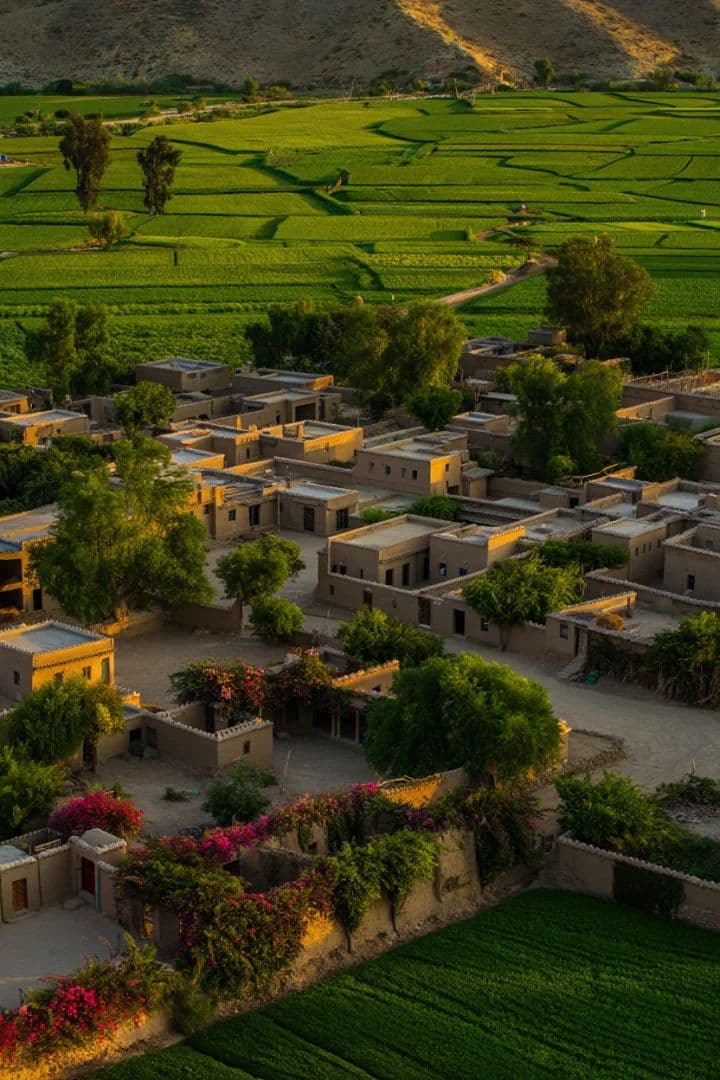
Traditional village structures have evolved over time, blending ancient customs with contemporary needs. Many villages still maintain their traditional layouts, featuring homes built from mud, clay, and stone.
Significance of Agriculture
Agriculture remains the backbone of village life in Pakistan, with most families relying on farming as their primary source of income. This connection to the land fosters a deep sense of community and shared responsibility among villagers.
Highlights & Features of Village Life
Every village in Pakistan has its unique charm and features that reflect the local culture and environment. From bustling markets to serene landscapes, the highlights of village life are diverse and captivating.
- Traditional Markets: Local bazaars are vibrant hubs where villagers sell fresh produce, handicrafts, and textiles.
- Cultural Festivals: Villages celebrate numerous festivals throughout the year, showcasing traditional music, dance, and food.
- Handicrafts: Many villages are known for their unique handicrafts, such as pottery, weaving, and embroidery.
Architectural Styles
The architectural styles of villages vary widely across Pakistan, influenced by regional climate and cultural practices. Traditional homes often feature intricate carvings and colorful decorations that reflect the local artistry.
Daily Life and Routines
Daily routines in villages revolve around agriculture, livestock care, and community gatherings. Mornings typically begin early, with villagers tending to their fields and animals.
Cultural Significance of Village Life
Village life in Pakistan is deeply intertwined with cultural traditions and social values, offering insights into the country’s rich heritage. The communal lifestyle fosters strong bonds among residents, creating a sense of belonging and collective identity.
- Community Bonds: Villagers often rely on one another for support, creating a strong network of relationships.
- Traditions and Rituals: Many local customs, such as weddings and religious ceremonies, are celebrated with great enthusiasm and are vital to community identity.
- Oral Histories: Elders play a crucial role in preserving the history and stories of the village, passing down knowledge to younger generations.
Role of Women in Villages
Women in Pakistani villages play an essential role in both the household and the agricultural economy. Their contributions often go unrecognized, but they are crucial to the sustenance of village life.
Religious Influence
Religion significantly influences village life, with many communities adhering to Islamic traditions that shape their daily practices and social interactions.
What to See & Do in Pakistani Villages
Exploring village life in Pakistan offers a plethora of activities that allow travelers to engage with local culture and traditions. From immersing yourself in local customs to enjoying the tranquil landscapes, there is much to discover.
- Participate in Local Festivals: Join villagers in celebrating cultural festivals that highlight music, dance, and traditional cuisine.
- Visit Agricultural Fields: Experience the agricultural process firsthand by visiting local farms and learning about traditional farming methods.
- Explore Handicraft Workshops: Take part in workshops where artisans demonstrate their skills in pottery, weaving, or embroidery.
Nature Walks
Many villages are surrounded by stunning natural landscapes, offering opportunities for hiking and exploring the great outdoors. Walking through fields or along rivers allows visitors to appreciate the beauty of rural Pakistan.
Culinary Experiences
Sampling local cuisine is a must. Many villages offer traditional dishes made from locally sourced ingredients, providing a taste of authentic Pakistani flavors.
The Visitor Experience
Visiting a village in Pakistan is a unique experience that allows travelers to immerse themselves in the local way of life. Engaging with the community and participating in daily activities can create lasting memories.
- Warm Hospitality: Villagers are known for their hospitality and often welcome visitors with open arms.
- Opportunities for Interaction: Many villages encourage cultural exchanges, allowing visitors to participate in local customs and traditions.
- Guided Tours: Consider hiring a local guide who can provide insights into the culture and history of the village.
Staying with Locals
For an authentic experience, consider staying with a local family. This not only supports the community but also allows you to gain a deeper understanding of their lifestyle.
Respecting Local Customs
It is essential to respect local customs and traditions while visiting. Dress modestly and seek permission before taking photographs of individuals or private property.
Location & How to Get There
Pakistan is home to numerous villages spread across its diverse landscapes, from the mountainous north to the fertile plains of Punjab. Reaching these villages can vary in difficulty, but many are accessible by road and public transport.
- Major Regions: Villages can be found in regions such as Punjab, Sindh, Khyber Pakhtunkhwa, and Balochistan.
- Travel Options: Buses and vans are available for inter-city travel, while local transport can help you reach rural areas.
- Navigation: Using GPS or hiring a local guide can help navigate the rural landscape effectively.
Public Transport
Public transport options, such as buses and rickshaws, are common in Pakistan. They provide an affordable way to reach villages but may require some patience due to varying schedules.
Driving
If you prefer the flexibility of driving, renting a car is an option, but ensure you have a good understanding of local driving conditions and rules.
Best Time to Visit Village Life in Pakistan
The best time to visit villages in Pakistan largely depends on the region and climate. Generally, the cooler months offer more pleasant conditions for exploration.
- Spring (March to May): Ideal for experiencing blooming landscapes and moderate weather.
- Autumn (September to November): A great time for harvest festivals and cultural events.
- Summer (June to August): Can be hot in many regions; plan visits to higher altitude villages for cooler weather.
Weather Considerations
Be mindful of local weather patterns. Southern regions can be extremely hot in summer, while northern areas may experience snow in winter.
Festivals and Events
Visiting during local festivals can enhance your experience, offering unique insights into cultural traditions and communal celebrations.
Nearby Attractions
While exploring village life, consider visiting nearby attractions that complement your experience. Many villages are located close to historical sites, natural wonders, and urban centers.
- Historical Sites: Explore ancient forts and ruins that showcase the rich history of the region.
- Natural Parks: Discover national parks and wildlife reserves that offer breathtaking landscapes and opportunities for hiking.
- Cultural Cities: Cities like Lahore and Peshawar are nearby and offer a contrast to the serene village life with their bustling markets and rich history.
Natural Wonders
Many villages are situated near stunning natural landscapes, such as mountains, rivers, and valleys, providing ample opportunities for outdoor adventures.
Cultural Landmarks
Don’t miss the chance to visit local museums and cultural centers that provide further context to the village life you are experiencing.
Pro Tips for Visiting Village Life In Pakistan
- Best Time to Visit: Spring and autumn are ideal seasons for pleasant weather and vibrant local festivities.
- What to Carry: Bring essentials like water, a first-aid kit, and a camera to capture the beautiful landscapes.
- How to Get There: Utilize public transport or consider hiring a local guide for a more immersive experience.
- Photography Tips: Always ask permission before photographing people or private property to respect local customs.
- Avoiding Crowds: Visit during weekdays or off-peak times to experience a quieter atmosphere.
Quick Facts
| Fact | Details |
|---|---|
| Location | Various regions across Pakistan |
| Best time to visit | Spring (March to May) and Autumn (September to November) |
| Entry fee | Generally free, but some cultural sites may charge |
| Nearby attractions | Historical sites, natural parks, cultural cities |
| Time needed | 2-3 days for a full experience |
Frequently Asked Questions
What should I wear when visiting villages in Pakistan?
It is advisable to dress modestly to respect local customs. Loose-fitting clothes that cover the arms and legs are recommended, especially for women.
Are villages in Pakistan safe for tourists?
Generally, villages in Pakistan are safe for tourists, but it's essential to stay informed about the local situation and follow guidelines from local authorities.
Can I find accommodation in villages?
While some villages may offer guesthouses or homestays, options can be limited. It's best to arrange accommodation in advance if possible.
How can I communicate with locals?
While Urdu is the national language, many villagers speak regional dialects. Learning a few basic phrases in Urdu can enhance interactions and show respect for local culture.
What are the main dishes I should try in rural Pakistan?
Be sure to sample traditional dishes such as biryani, nihari, and various types of bread like chapati and naan, often prepared with locally sourced ingredients.
Conclusion
Village life in Pakistan offers a captivating journey into the heart of the country's cultural heritage. From the warmth of local hospitality to the richness of traditions, each visit provides an opportunity to connect with the land and its people. Embracing the simplicity and authenticity of village life can significantly enrich your travel experience, making it not just a visit, but a memorable adventure. So pack your bags, head to the villages, and immerse yourself in the beauty of Pakistan’s rural landscapes.
Related Blogs
- Discover the Enchanting Beauty of Passu Village in Hunza Valley, Pakistan
- Minapin Village Hunza: The Hidden Beauty Of Pakistan
- Discovering Saidpur Village Islamabad: A Hidden Gem of Cultural Heritage
- Boyun Village: Embracing The Unspoiled Charm Of Swat Valley
- Art And Craft Village Islamabad: A Haven For Art Lovers