Exploring Takht I Bahi Buddhist Monastery: A Journey Through Time in Pakistan
Exploring Takht I Bahi Buddhist Monastery: A Journey Through Time in Pakistan
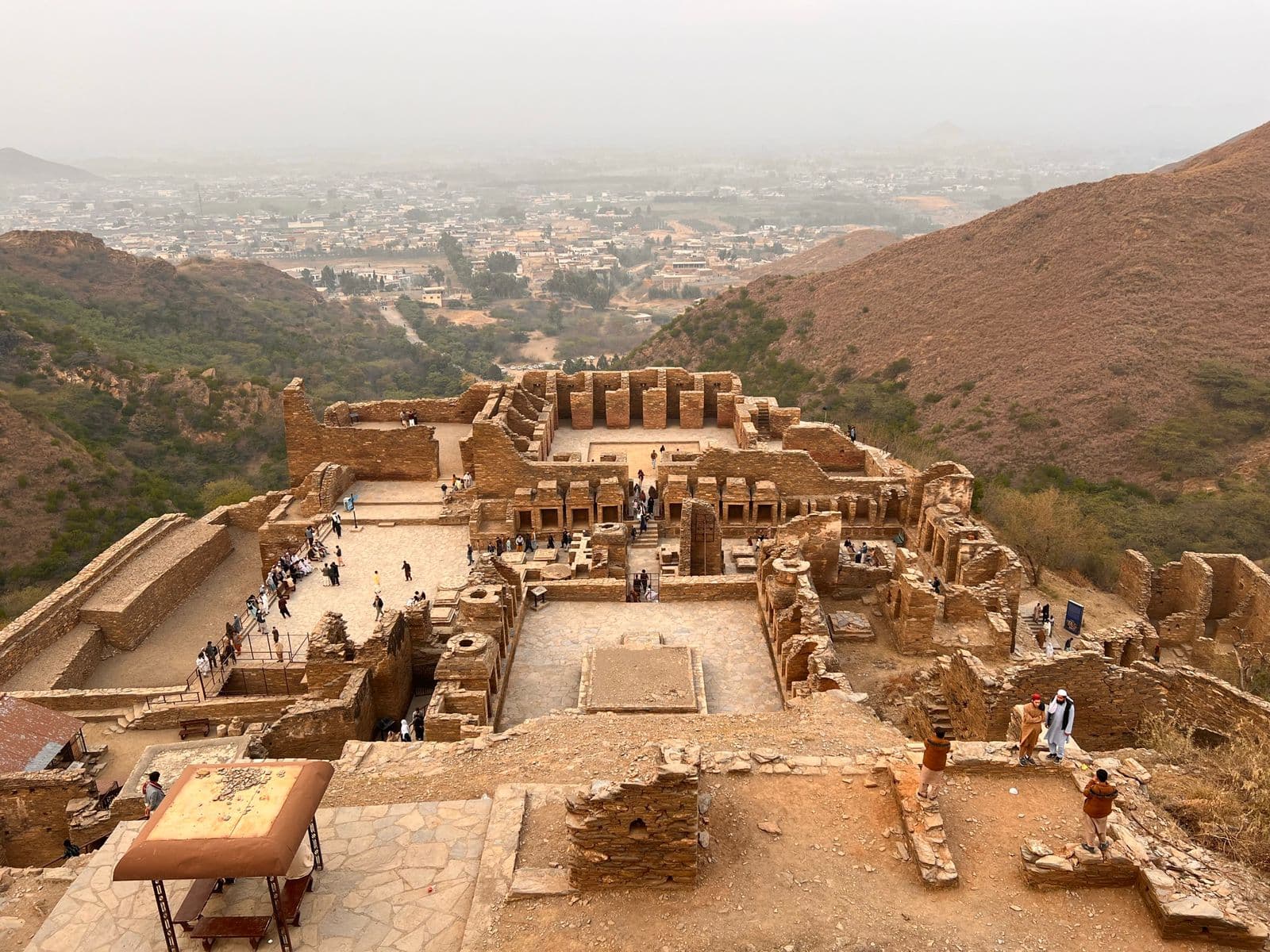
Takht I Bahi, an ancient Buddhist monastery nestled in the heart of Pakistan, serves as a testament to the rich spiritual heritage of the region. This UNESCO World Heritage Site, perched high on a hilltop overlooking the lush green valleys, is not only an architectural marvel but also a significant cultural symbol. In this article, we will delve into the history and origins of this remarkable site, explore its highlights and features, and provide essential tips for an enriching visit.
As we navigate through the fascinating aspects of Takht I Bahi, you will discover its historical importance, the breathtaking views it offers, and the unique experiences that await you. Whether you are a history enthusiast, a culture seeker, or simply an adventurous traveler, this guide will equip you with everything you need to know to make the most of your trip to this extraordinary monastery.
History & Origins
The history of Takht I Bahi dates back to the 1st century CE when it was established as a thriving center for Buddhist learning and meditation. This monastery was constructed during the reign of the Kushan Empire, a time when Buddhism flourished in the region. The site is believed to have been strategically located to serve as a pilgrimage destination for monks and devotees from across the ancient world.
- Established: In the 1st century CE, during the Kushan Empire.
- Significance: Served as a major center for Buddhist learning and meditation.
- UNESCO Status: Designated a World Heritage Site in 1980.
- Architecture: Exhibits unique Indo-Greek architectural styles.
- Historical Context: Reflects the cultural exchanges between Buddhism and neighboring regions.
The Kushan Influence
During the Kushan Empire, Takht I Bahi became an important hub for the spread of Buddhism. The rulers of this empire were known for their patronage of the arts and religion, which led to the flourishing of Buddhist architecture and scholarship in the region. The monastery’s layout, with its vast courtyards and intricate carvings, exemplifies this cultural zenith.
Decline and Rediscovery
Despite its historical prominence, the monastery faced decline with the fall of Buddhism in the region around the 7th century CE. It remained largely forgotten until its rediscovery in the 19th century. Archeological excavations began revealing its ancient treasures, bringing the site back into the limelight and sparking interest among historians and travelers alike.
Highlights & Features
Visitors to Takht I Bahi are greeted by stunning architectural features and breathtaking views that showcase the monastery's historical significance. The site is characterized by its well-preserved ruins, which provide insights into the monastic life of ancient Buddhist scholars. Here are some of the key highlights that make this site a must-visit.
- Stupas: The monastery houses several stupas, which are essential to Buddhist architecture and serve as relics of the Buddha.
- Viharas: The meditation halls, known as viharas, offer a glimpse into the monastic living quarters where monks would retreat.
- Carvings and Inscriptions: Intricate carvings and inscriptions adorn the walls, reflecting the artistic prowess of the era.
- Scenic Views: The elevated position of the monastery provides panoramic views of the surrounding landscape.
- Spiritual Atmosphere: The serenity of the site enhances its spiritual ambiance, making it a perfect place for reflection.
Main Structures to Explore
As you wander through Takht I Bahi, several main structures stand out, each with its unique architectural elements and historical significance. These include the main stupa, various viharas, and the assembly hall where monks gathered for discussions and teachings.
Architectural Style
The architectural style of Takht I Bahi is an impressive blend of Indo-Greek influences, characterized by its symmetrical layout and the use of local stone. The intricate details in the carvings showcase the craftsmanship of the artisans who worked on the monastery, making it not only a place of worship but also an artistic legacy.
Cultural Significance
Takht I Bahi is more than just a historical site; it is a cultural beacon that signifies the profound influence of Buddhism in South Asia. The monastery represents a convergence of various cultural and religious traditions, demonstrating the region's historical role as a crossroads of civilizations.
- Religious Pilgrimage: It remains a pilgrimage site for Buddhists, drawing visitors who seek spiritual solace.
- Historical Studies: The site serves as a significant resource for historians and scholars studying ancient Buddhism.
- Artistic Influence: The artistic styles observed at Takht I Bahi have influenced subsequent architectural developments in the region.
- Educational Role: The monastery historically served as a center for learning, promoting Buddhist philosophy and teachings.
- Cultural Festivals: Local festivals celebrate the site, promoting awareness and appreciation of its heritage.
Buddhism's Impact in Pakistan
The presence of such a well-preserved monastery like Takht I Bahi underscores the historical significance of Buddhism in Pakistan. As one of the earliest regions to embrace Buddhism, Pakistan has been a cradle for the religion, influencing its spread to other parts of Asia.
Interactions with Other Cultures
Throughout its history, Takht I Bahi has been a site of interaction between various cultures, including Hinduism and later Islam. This blending of traditions has shaped the cultural landscape of the region, making it a fascinating study for anthropologists and historians.
What to See & Do
A visit to Takht I Bahi offers a plethora of activities and sights to explore, ensuring a rewarding experience for all visitors. From exploring the ancient ruins to enjoying the serene surroundings, there is something for everyone at this remarkable site.
- Guided Tours: Consider joining a guided tour to gain deeper insights into the history and significance of the monastery.
- Photography: Capture the stunning architecture and landscapes, especially during sunrise and sunset.
- Meditation: Take time to meditate in the tranquil surroundings, connecting with the spiritual essence of the site.
- Local Cuisine: Sample traditional Pakistani cuisine at nearby eateries after your visit.
- Nature Walks: Enjoy nature walks around the area to appreciate its natural beauty and biodiversity.
Walking through the ruins of Takht I Bahi allows you to step back in time and envision the lives of the monks who once inhabited this space. As you navigate the pathways, pay attention to the architectural details that reflect the ingenuity of ancient builders.
Engaging with Local Culture
Interacting with local residents can enhance your visit, as they often share stories and traditions related to the monastery. Engaging with the community can provide a richer understanding of the cultural significance of Takht I Bahi.
The Visitor Experience
The experience of visiting Takht I Bahi is both enlightening and humbling. The site, with its ancient ruins and spiritual ambiance, invites visitors to reflect on the teachings of Buddhism and the historical journey of the region. Here’s what you can expect during your visit.
- Entry Fee: There is a nominal entry fee for visitors, which contributes to the preservation of the site.
- Opening Hours: The monastery is open daily from early morning until sunset.
- Accessibility: The site requires some walking and climbing; comfortable shoes are recommended.
- Visitor Facilities: Amenities such as restrooms and seating areas are available on-site.
- Safety Measures: Visitors are advised to follow safety guidelines, especially in the more rugged areas of the site.
Guided Tours and Information
To enhance your experience, consider opting for a guided tour. Knowledgeable guides can provide valuable insights into the history and architecture of the monastery, making your visit more informative and enjoyable.
Photography Opportunities
Don’t forget your camera! The stunning views from the monastery and the intricate details of the ruins offer countless opportunities for stunning photographs. Early morning or late afternoon light can enhance your pictures, capturing the essence of this ancient site.
Location & How to Get There
Takht I Bahi is located in the Mardan District of Khyber Pakhtunkhwa province, approximately 15 kilometers from the city of Mardan. The monastery’s strategic hilltop setting makes it a prominent landmark visible from afar. Here are some practical details on reaching this historical site.
- Nearest City: Mardan, approximately 15 km away.
- Transportation: Buses and taxis are available from Mardan to Takht I Bahi.
- Road Conditions: The roads leading to the site are generally well-maintained, making for a smooth journey.
- Parking: There is designated parking available for visitors at the base of the hill.
- Guided Transport: Many local tour operators offer packages that include transport to and from the site.
Directions from Major Cities
If you are traveling from major cities like Peshawar or Islamabad, you can easily reach Mardan by bus or car. From Mardan, public transport options can take you directly to Takht I Bahi. The journey provides scenic views of the surrounding landscape, enhancing your travel experience.
Accessibility Considerations
While Takht I Bahi can be accessed by all visitors, some areas may require climbing stairs or navigating uneven terrain. It is advisable to wear comfortable shoes and carry water, especially during warmer months.
Best Time to Visit
Choosing the right time to visit Takht I Bahi can significantly enhance your experience. The ideal months to explore this historical site are during the spring and autumn when the weather is pleasant, and the surrounding nature is in full bloom.
- Spring (March to May): Mild weather and blooming flowers make this an ideal time for a visit.
- Autumn (September to November): Enjoy cooler temperatures and beautiful fall foliage.
- Summer (June to August): Can be hot, but early morning visits can be rewarding.
- Winter (December to February): Cold temperatures may deter some visitors, but the site is less crowded.
- Festivals: Visiting during local festivals can enhance the cultural experience.
Weather Considerations
Be sure to check the weather forecast before your visit. In summer, temperatures can soar, while winters can bring chilly winds. Dressing in layers is advisable to stay comfortable throughout the day.
Crowd Levels
If you prefer a quieter experience, consider visiting during weekdays or outside of peak tourist seasons. Early mornings can also be a great time to avoid crowds while enjoying the peaceful atmosphere of the monastery.
Nearby Attractions
While Takht I Bahi is a splendid destination on its own, there are several nearby attractions worth exploring. A visit to these sites can enrich your understanding of the region's history and culture.
- Shahbaz Garhi: An ancient archaeological site featuring inscriptions and ruins of Buddhist stupas.
- Takht Bhai: A nearby town with local markets and eateries offering authentic Pakistani cuisine.
- Mardan Museum: Showcases artifacts from the region's Buddhist past and provides context to your visit.
- Swat Valley: A bit further afield, this stunning valley is known for its breathtaking landscapes and rich cultural heritage.
- Malakand Pass: A scenic route offering beautiful views and historical significance.
Exploring Local Culture
Engaging with the local culture can greatly enhance your experience. Don't miss the chance to visit local markets, where you can find traditional crafts and enjoy the hospitality of the residents.
Outdoor Activities
If you are an outdoor enthusiast, consider exploring hiking trails in the surrounding areas. The scenic beauty of the region provides a perfect backdrop for trekking and nature walks.
Pro Tips for Visiting Takht I Bahi Buddhist Monastery
- Best Time: Plan your visit during the cooler months for a more comfortable experience.
- What to Carry: Bring water, snacks, and a light jacket, especially for early morning or late evening visits.
- Photography: Capture the monastery at dawn or dusk for stunning light and fewer crowds.
- Avoiding Crowds: Visit on weekdays or during the off-peak season to enjoy a quieter experience.
- Respect the Site: As a religious site, maintain decorum and respect the guidelines while exploring.
Quick Facts
| Fact | Details |
|---|---|
| Location | Mardan District, Khyber Pakhtunkhwa, Pakistan |
| Best Time to Visit | March to May, September to November |
| Entry Fee | Nominal fee for preservation |
| Nearby Attraction | Shahbaz Garhi, Mardan Museum |
| Time Needed | 2 to 3 hours for a thorough visit |
Frequently Asked Questions
What is the significance of Takht I Bahi?
Takht I Bahi is significant as a UNESCO World Heritage Site that showcases the architectural and cultural heritage of Buddhism in Pakistan. It served as a major center for Buddhist learning and has historical importance as a pilgrimage site.
How do I get to Takht I Bahi?
Takht I Bahi is accessible from Mardan, which is approximately 15 kilometers away. Visitors can take public transport, taxis, or join guided tours that include transport to the site.
Is there an entry fee for Takht I Bahi?
Yes, there is a nominal entry fee that helps in the preservation and maintenance of the site. It is advisable to check the current fee before your visit.
What should I wear while visiting?
It is recommended to wear comfortable clothing and sturdy shoes, as you will be walking on uneven surfaces and climbing stairs. Modest attire is also suggested, as it is a religious site.
Can I take photographs at Takht I Bahi?
Yes, photography is allowed at Takht I Bahi. However, be mindful of the surroundings and respect any guidelines regarding photography, especially during prayer or meditation times.
Conclusion
Visiting Takht I Bahi Buddhist Monastery is not just a journey through the annals of history, but also an opportunity to connect with the spiritual essence of Buddhism in a breathtaking setting. This UNESCO World Heritage Site offers a unique blend of cultural, historical, and natural elements that captivate the hearts of all who visit. Whether you are seeking knowledge, adventure, or a peaceful retreat, Takht I Bahi promises an unforgettable experience that encourages every traveler to explore its ancient pathways and embrace the rich heritage of Pakistan.