Discovering Ghanta Ghar: The Historical Heart of Peshawar
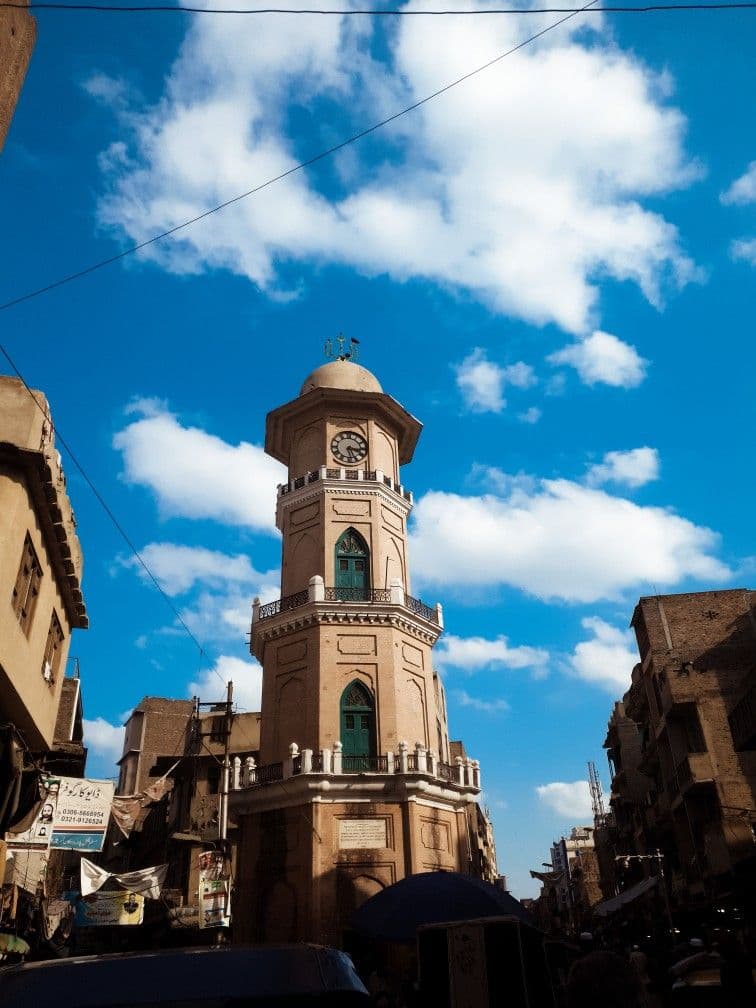
Discovering Ghanta Ghar: The Historical Heart of Peshawar
Nestled in the bustling city of Peshawar, the Ghanta Ghar, or the Clock Tower, stands as a testament to the rich history and vibrant culture of the region. This iconic landmark not only marks the passage of time but also encapsulates the essence of Peshawar’s historical importance. In this article, we will delve into the intriguing history and origins of Ghanta Ghar, explore its architectural highlights, examine its cultural significance, and provide tips for visiting this enchanting site.
As you navigate through the details of Ghanta Ghar, you will learn about its fascinating features, what to see and do in the vicinity, and practical advice for making the most of your visit. Whether you are a history enthusiast or a curious traveler, Ghanta Ghar offers a unique glimpse into the past, making it a must-visit site in Peshawar.
History & Origins
The Ghanta Ghar has a storied past that dates back to the British colonial era. Built in the late 19th century, this clock tower was a part of Peshawar's urban development under British rule, symbolizing the transition of the city into a modern urban center. Originally designed to serve as a timekeeping mechanism for the locals, it has since become a significant historical landmark.
- Construction Year: Established in 1900.
- Architectural Style: A blend of Islamic and colonial architecture.
- Historical Significance: Represents British influence in Peshawar.
- Restoration: Underwent renovations in the early 2000s to preserve its structure.
- Location: Centrally located in Peshawar, making it easily accessible.
Colonial Influence
The architectural design of Ghanta Ghar reflects the colonial style that was prevalent during the British Raj. The intricate details and the use of local materials highlight the blend of Western and Eastern influences, making it a significant study for architecture enthusiasts.
- Stone and Brick: Constructed using locally sourced materials.
- Design Features: Notable for its arched windows and decorative motifs.
- Historical Context: Represents a period of transformation in Peshawar’s urban landscape.
Highlights & Features
The Ghanta Ghar is not just a clock tower; it is a visual delight filled with intricate designs and cultural symbolism. The tower stands tall at a height of 40 feet, making it a prominent feature of the Peshawar skyline. Visitors are often captivated by its unique architectural elements and the stories they tell.
- Clock Mechanism: The original clock mechanism is still operational.
- Architectural Details: Features ornate carvings and beautiful tile work.
- Surrounding Plaza: Offers a vibrant marketplace atmosphere.
- Photography Opportunities: Ideal backdrop for stunning photographs.
- Guided Tours: Available for those interested in learning more about its history.
Architectural Elements
The Ghanta Ghar boasts several architectural features that showcase the craftsmanship of the era. From its tall domes to the detailed brickwork, each element tells a story of the past. The clock itself is a mechanical marvel, drawing both local residents and tourists alike to witness its hourly chimes.
- Domes: Two large domes on top enhance its distinctive silhouette.
- Brick Patterns: The unique patterns reflect traditional Islamic art.
- Landmark Status: Recognized as a heritage site by the local government.
Cultural Significance
Ghanta Ghar is more than just a historical site; it is a cultural hub that reflects the daily lives of the people of Peshawar. The tower has witnessed countless events and gatherings, making it a focal point for the community. It serves as a reminder of the city’s resilience and rich heritage.
- Community Gatherings: Often serves as a meeting point for locals.
- Cultural Events: Hosts several festivals and celebrations throughout the year.
- Symbol of Identity: Represents the pride of Peshawar’s residents.
- Local Stories: Many tales and legends are associated with the clock tower.
- Artisan Crafts: Nearby shops offer traditional crafts and souvenirs.
Local Traditions
The cultural significance of Ghanta Ghar is deeply embedded in local traditions. The clock tower has become a symbol of time, not just in hours and minutes but in the life stories of the people who pass by it every day. The surrounding area bustles with vendors and artisans, adding to the vibrant culture that flourishes here.
- Food Stalls: Local delicacies can be found in the vicinity.
- Art Exhibitions: Local artists often display their work nearby.
- Music and Dance: Cultural performances frequently take place here.
What to See & Do
Visiting Ghanta Ghar offers a variety of experiences that go beyond simply admiring the architecture. The surrounding area is rich with sights and activities that cater to various interests, making it an ideal destination for both history buffs and casual tourists.
- Explore the Market: Nearby bazaars offer a plethora of shopping opportunities.
- Visit Local Museums: Learn more about Peshawar’s history at nearby museums.
- Photography: Capture the beauty of the structure and its surroundings.
- Sample Local Cuisine: Enjoy traditional dishes at nearby eateries.
- Engage with Locals: Meet artisans and shopkeepers to learn about their crafts.
Nearby Attractions
Ghanta Ghar is conveniently located near several other attractions that enhance your visit to Peshawar. Exploring these nearby sites can give you a deeper understanding of the city’s rich history and culture.
- Peshawar Museum: Home to an impressive collection of Gandharan art.
- Bala Hisar Fort: A historic fort offering panoramic views of the city.
- Qissa Khwani Bazaar: Famous for its historical significance and vibrant atmosphere.
The Visitor Experience
The experience of visiting Ghanta Ghar is both enriching and enjoyable. The site is easily accessible and offers various amenities for visitors. Guests can immerse themselves in the lively atmosphere while appreciating the historical importance of the clock tower.
- Entry Fee: Free to enter, making it accessible to all.
- Opening Hours: Open daily from morning to evening.
- Guided Tours: Available for a deeper understanding of the site.
- Visitor Amenities: Nearby cafes and rest areas for relaxation.
Visitor Tips
To enhance your visit to Ghanta Ghar, consider the following practical tips. Being prepared can help you enjoy your time at this historical site even more.
- Dress Code: Wear modest clothing in respect of local customs.
- Keep Hydrated: Carry water, especially during the hotter months.
- Timing: Visit early in the morning or late afternoon to avoid crowds.
Location & How to Get There
Ghanta Ghar is located in the heart of Peshawar, making it easily reachable via various modes of transportation. Whether you are traveling by car, bus, or on foot, the clock tower is a central landmark that can guide you through the city.
- Address: Ghanta Ghar, Peshawar, Khyber Pakhtunkhwa, Pakistan.
- Transportation Options: Accessible by local buses, rickshaws, and taxis.
- Parking: Limited parking available nearby.
- Walking Distance: A short walk from major hotels and attractions.
- Landmarks: Located near Qissa Khwani Bazaar, a popular area for tourists.
Best Time to Visit
The best time to visit Ghanta Ghar is during the cooler months, generally from October to March. During this period, the weather is pleasant, making it ideal for exploring the site and its surroundings. The vibrant atmosphere during local festivals also adds to the experience.
- Peak Season: October to March is the busiest season for tourists.
- Weather Conditions: Moderate temperatures ideal for sightseeing.
- Outdoor Events: Cultural festivals often occur during this time.
- Photography: Clear skies provide the best lighting for photos.
Pro Tips for Visiting Ghanta Ghar Famous Historical Site Of Peshawar
- Best Time: Visit early in the morning or late afternoon for fewer crowds.
- Carry Essentials: Bring water, sunscreen, and comfortable shoes for walking.
- Photography: Capture the beauty at different times of the day for varied lighting.
- Avoid Crowds: Weekdays are generally less busy than weekends.
- Local Currency: Carry cash for purchases at local stalls and eateries.
Quick Facts
| Attribute | Details |
|---|---|
| Location | Ghanta Ghar, Peshawar, Khyber Pakhtunkhwa, Pakistan |
| Best Time to Visit | October to March |
| Entry Fee | Free |
| Nearby Attraction | Peshawar Museum |
| Time Needed | 1-2 hours |
Frequently Asked Questions
What is Ghanta Ghar?
Ghanta Ghar, or the Clock Tower, is a historical landmark in Peshawar built during the British colonial era. It symbolizes the city’s rich history and is a popular gathering point for locals and tourists alike.
How can I get to Ghanta Ghar?
Ghanta Ghar is centrally located in Peshawar and can be reached via local buses, rickshaws, or taxis. It is also within walking distance from many major hotels and attractions in the city.
Is there an entry fee for Ghanta Ghar?
No, there is no entry fee to visit Ghanta Ghar, making it accessible for everyone. Visitors can enjoy the site and the surrounding area without any cost.
What is the best time to visit Ghanta Ghar?
The best time to visit Ghanta Ghar is from October to March when the weather is cooler and pleasant for outdoor exploration. Early mornings or late afternoons are ideal for avoiding crowds.
What nearby attractions can I visit?
There are several attractions near Ghanta Ghar, including the Peshawar Museum and Bala Hisar Fort. The vibrant Qissa Khwani Bazaar is also nearby, offering a unique shopping experience.
Conclusion
Visiting Ghanta Ghar is an enriching experience that offers a glimpse into the historical and cultural fabric of Peshawar. With its stunning architecture, vibrant surroundings, and significant cultural importance, the clock tower is a must-see for anyone traveling to this fascinating city. Take the time to explore this iconic landmark and immerse yourself in the rich history that surrounds it. A visit to Ghanta Ghar will not only enhance your understanding of Peshawar but also leave you with lasting memories of its unique charm.