Explore the Majestic Masjid Qasim Ali Khan: A Jewel of Pakistan
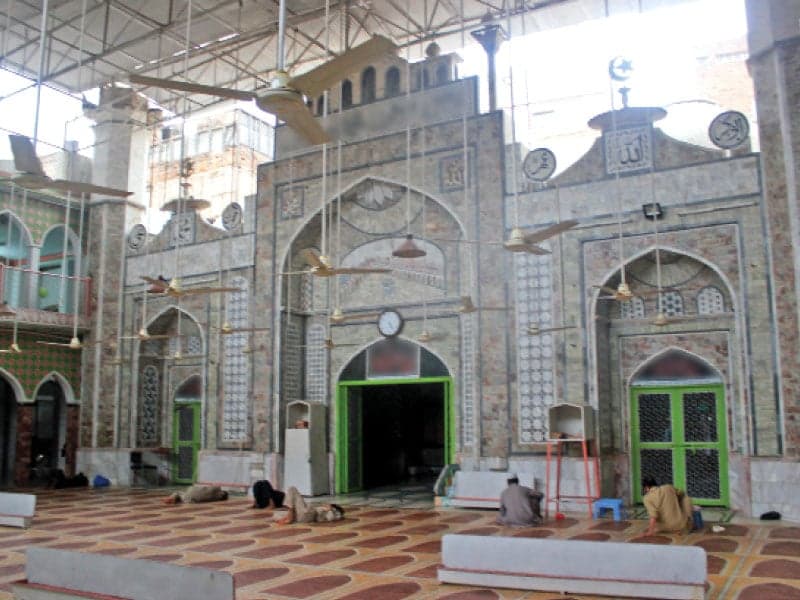
Explore the Majestic Masjid Qasim Ali Khan: A Jewel of Pakistan
Masjid Qasim Ali Khan stands as a magnificent testament to the rich cultural and architectural heritage of Pakistan. Nestled in the bustling city of Peshawar, this grand mosque attracts visitors from all over the world, drawn by its intricate designs and historical significance. In this article, we will delve into the history and origins of Masjid Qasim Ali Khan, explore its remarkable architecture, and discover its cultural and religious importance. Additionally, we will provide practical information for visitors, including what to see and do, how to get there, and the best times to visit.
Whether you are a history buff, an architecture enthusiast, or a traveler seeking spiritual solace, Masjid Qasim Ali Khan offers something for everyone. Join us as we uncover the secrets of this architectural gem, guiding you through your journey to one of Pakistan’s most revered landmarks.
History & Origins
The history of Masjid Qasim Ali Khan is deeply intertwined with the cultural fabric of Peshawar. Constructed in the 19th century, this mosque was built by Nawab Qasim Ali Khan, a prominent figure in the region. The mosque’s establishment reflects the Islamic revival and architectural advancements of the time, symbolizing the spiritual aspirations of the local community.
- Established: The mosque was completed in 1900, showcasing the architectural style of that era.
- Founder: Nawab Qasim Ali Khan, who aimed to promote Islamic education and culture through the mosque.
- Architectural Influence: The design represents a blend of Mughal and Indo-Islamic architectural styles, typical of the region.
- Historical Events: Over the years, the mosque has been a center for various cultural and religious gatherings.
- Renovations: The mosque has undergone several restorations to preserve its architectural integrity and historical significance.
The Construction Era
During the late 19th century, Peshawar was a hub of trade and culture, making it an ideal location for such a grand mosque. The construction era was marked by a surge in Islamic architecture, leading to the creation of several majestic mosques throughout the region.
- Materials Used: The mosque was constructed using locally sourced bricks and decorated with exquisite tile work.
- Workforce: Skilled artisans and laborers from the region contributed to the intricate designs and craftsmanship.
- Community Involvement: The local community played a crucial role in the construction, reflecting their commitment to Islamic values.
Architecture & Features
The architecture of Masjid Qasim Ali Khan is nothing short of breathtaking, showcasing a harmonious blend of traditional Islamic styles and local artistic elements. The mosque features intricate tile work, grand domes, and elegant minarets that rise majestically against the Peshawar skyline.
- Main Dome: The central dome is adorned with exquisite floral patterns and is a focal point of the mosque.
- Minarets: The mosque boasts four towering minarets, each intricately designed and standing tall at 50 feet.
- Prayer Hall: The spacious prayer hall can accommodate thousands of worshippers, reflecting the communal spirit of the mosque.
- Courtyard: The courtyard is beautifully landscaped, providing a serene environment for contemplation.
- Calligraphy: Arabic calligraphy adorns the walls, featuring verses from the Quran and sayings of the Prophet Muhammad.
Interior Design
The interior of Masjid Qasim Ali Khan is equally impressive, with an intricate layout that enhances the spiritual ambiance. The prayer hall features high ceilings, ornate chandeliers, and beautifully crafted wooden mihrabs.
- Mihrab: The mihrab is intricately carved and indicates the direction of Mecca.
- Lighting: The mosque is illuminated by large, decorative chandeliers that add to its grandeur.
- Seating Arrangements: The mosque provides ample seating for worshippers, with carpets that add warmth and comfort.
Cultural & Religious Significance
Masjid Qasim Ali Khan is not just an architectural wonder; it is also a vital cultural and religious center for the local community. The mosque serves as a hub for Islamic education, community gatherings, and spiritual reflection, playing a pivotal role in the lives of many Peshawar residents.
- Religious Services: Daily prayers and special religious events are conducted here, attracting large crowds.
- Educational Programs: The mosque hosts classes for Quranic studies and Islamic teachings.
- Community Events: Various cultural and religious events, such as Eid celebrations, are held at the mosque.
- Tourist Attraction: The mosque draws visitors from around the globe, contributing to cultural exchange and understanding.
- Preservation of Heritage: The mosque plays a crucial role in preserving the Islamic heritage and traditions of the region.
What to See & Do
When visiting Masjid Qasim Ali Khan, there are numerous activities and sights to explore that enhance the overall experience. From the stunning architectural details to the peaceful ambiance within, each aspect invites visitors to immerse themselves in the spiritual essence of the mosque.
- Photography: Capture the mosque's stunning architecture, especially during sunset when the light casts a magical glow.
- Guided Tours: Engage in guided tours that provide insights into the history and architectural significance of the mosque.
- Cultural Interaction: Participate in community events or attend lectures on Islamic teachings and history.
- Quiet Reflection: Take time to meditate or reflect in the tranquil courtyard, enjoying the serene atmosphere.
- Local Cuisine: Explore nearby eateries to taste traditional Peshawari dishes after your visit.
The Visitor Experience
Visiting Masjid Qasim Ali Khan is a unique experience that combines spiritual enrichment with cultural exploration. The mosque's welcoming atmosphere and the devotion of its visitors create a sense of belonging and community, making it a memorable destination.
- Dress Code: Visitors are encouraged to dress modestly, adhering to Islamic customs when entering the mosque.
- Opening Hours: The mosque is open daily from dawn until dusk, allowing ample time for exploration.
- Visitor Etiquette: Maintain silence and respect during prayer times, and follow the guidelines provided by mosque authorities.
- Accessibility: The mosque is accessible to all, with facilities in place for visitors with disabilities.
- Language: While Urdu is predominantly spoken, many locals understand English, making communication easier for international visitors.
Location & How to Get There
Masjid Qasim Ali Khan is conveniently located in the heart of Peshawar, making it easily accessible for both locals and tourists. Its strategic location allows visitors to explore other nearby attractions and immerse themselves in the vibrant culture of the city.
- Address: The mosque is situated in the Qissa Khwani Bazaar, a historical market area.
- Transportation: Visitors can reach the mosque by taxi, rickshaw, or local buses that operate within the city.
- Nearby Landmarks: The mosque is close to other historical sites, such as the Peshawar Museum and the Bala Hisar Fort.
- Parking: Limited parking is available nearby, so consider using public transport for convenience.
- Map Services: Utilize GPS navigation or local maps to find the best route to the mosque.
Best Time to Visit
The best time to visit Masjid Qasim Ali Khan largely depends on personal preferences and local weather conditions. Peshawar experiences a continental climate, with hot summers and mild winters, making certain seasons more favorable for exploration.
- Spring (March to May): This is the ideal time, with mild temperatures and blooming flowers in the surrounding gardens.
- Autumn (September to November): The weather is pleasant, making it comfortable for outdoor exploration.
- Ramadan: Visiting during Ramadan offers a unique experience, with special evening prayers and community gatherings.
- Weekends: Weekends tend to be more crowded, so consider visiting on weekdays for a quieter experience.
- Festivals: Visiting during Islamic festivals provides a cultural immersion, with vibrant celebrations taking place.
Nearby Attractions
After exploring Masjid Qasim Ali Khan, there are several nearby attractions that offer additional insights into the rich history and culture of Peshawar. These sites provide a well-rounded experience, making your visit to the city truly memorable.
- Peshawar Museum: A short distance away, this museum features an extensive collection of Gandharan art and artifacts.
- Bala Hisar Fort: This historic fort offers panoramic views of the city and a glimpse into Peshawar's military history.
- Qissa Khwani Bazaar: Immerse yourself in local culture by exploring this bustling market, known for its street food and handicrafts.
- Islamia College: A renowned educational institution, it showcases stunning architecture and beautiful gardens.
- Gandhara Art Museum: Another nearby gem, this museum specializes in the art and history of the Gandhara civilization.
Pro Tips for Visiting Masjid Qasim Ali Khan
- Best Time: Visit during the early morning or late afternoon to avoid crowds and enjoy a peaceful atmosphere.
- What to Carry: Bring a camera, but be respectful when photographing locals or during prayer times.
- How to Get There: Use local ride-sharing apps or public transport for convenience and to avoid parking hassles.
- Photography: Capture the mosque's stunning architecture, but always ask for permission before taking pictures of people.
- Avoiding Crowds: Try to plan your visit during weekdays, especially outside of prayer times, for a more serene experience.
Quick Facts
| Feature | Details |
|---|---|
| Location | Peshawar, Pakistan |
| Best Time to Visit | Spring (March to May) & Autumn (September to November) |
| Entry Fee | Free |
| Nearby Attraction | Peshawar Museum, Bala Hisar Fort |
| Time Needed | 1-2 hours |
Frequently Asked Questions
What is the significance of Masjid Qasim Ali Khan?
Masjid Qasim Ali Khan is significant for its architectural beauty and cultural heritage. It serves as a religious center for the local Muslim community and plays a vital role in preserving Islamic traditions in Peshawar.
Can non-Muslims visit the mosque?
Yes, non-Muslims are welcome to visit Masjid Qasim Ali Khan. However, it is essential to dress modestly and respect the customs and rules of the mosque during the visit.
Is there an entry fee to visit the mosque?
No, visiting Masjid Qasim Ali Khan is free of charge. Donations may be accepted for the mosque's maintenance, but there is no mandatory fee for entry.
What are the opening hours of the mosque?
Masjid Qasim Ali Khan is open daily from dawn until dusk. Visitors are encouraged to check prayer times, as the mosque may be busier during these periods.
Are there facilities for tourists at the mosque?
Yes, the mosque provides basic facilities for visitors, including restrooms and designated areas for quiet reflection. However, amenities may be limited, so plan accordingly.
Conclusion
Masjid Qasim Ali Khan is more than just a mosque; it is a living testament to the rich history and vibrant culture of Peshawar. Whether you are drawn by its stunning architecture, spiritual significance, or the warm hospitality of its community, this landmark offers an enriching experience for every visitor. Plan your visit to Masjid Qasim Ali Khan and immerse yourself in the beauty and history of one of Pakistan's most cherished sites.
Related Landmarks
- Exploring the Majestic Masjid Wazir Khan: A Jewel of Lahore, Pakistan
- Discover the Majestic Sunehri Masjid: A Jewel of Pakistan
- Discovering Zafar Ali Stadium: A Jewel of Pakistanx27s Sporting Heritage
- Discovering Abbasi Masjid: A Majestic Gem of Pakistan
- Discovering the Grand Jamia Masjid: A Jewel of Pakistan