Discovering the Majestic Passu Glacier: A Hidden Gem in Pakistan
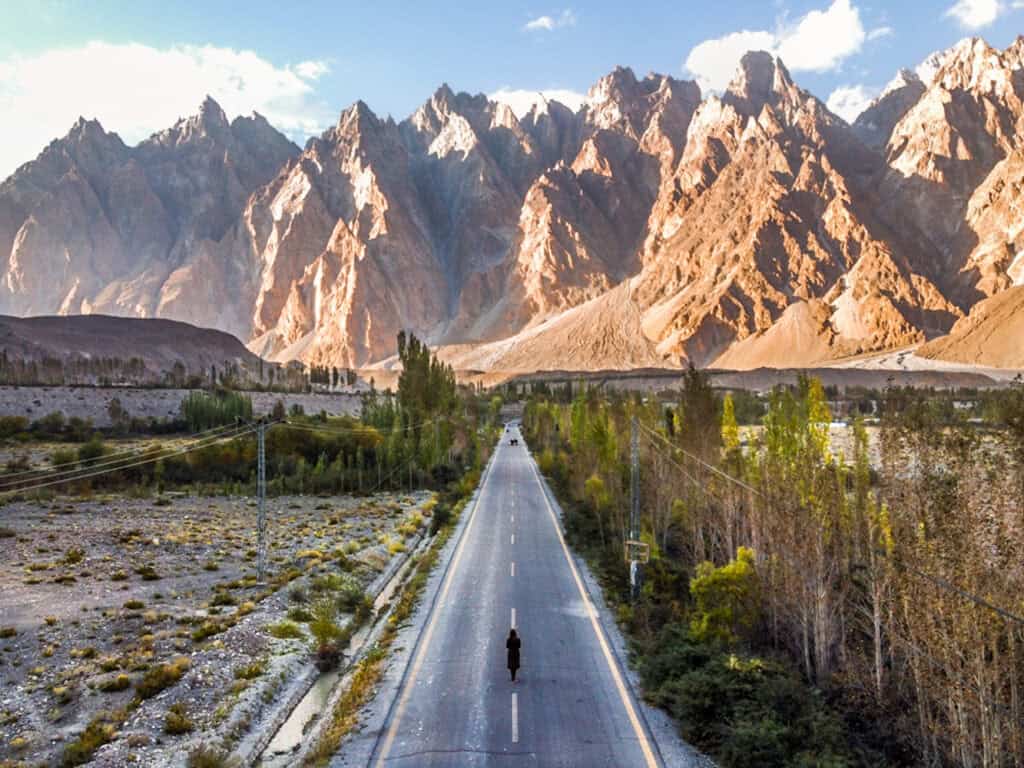
Discovering the Majestic Passu Glacier: A Hidden Gem in Pakistan
Nestled in the breathtaking landscapes of northern Pakistan, Passu Glacier is a must-visit destination for adventure seekers and nature enthusiasts alike. This stunning glacier, part of the Karakoram mountain range, offers not only mesmerizing views but also a unique glimpse into the region's rich geological history. In this article, we will explore the various facets of Passu Glacier, including its origins, cultural significance, activities for visitors, and practical information for a memorable trip.
From the best time to visit to insider tips for navigating this spectacular site, our comprehensive guide will equip you with everything you need to know for your journey to Passu Glacier. Whether you are an experienced mountaineer or a casual traveler, there's something here for everyone. Let’s embark on this extraordinary adventure through one of Pakistan’s most iconic natural landmarks.
History and Origins of Passu Glacier
The history of Passu Glacier is as captivating as its icy façade. Formed over thousands of years, this glacier is a testament to the geological forces that have shaped the Karakoram range. Understanding its origins provides insight into the natural processes that continue to influence this stunning landscape today.
- Glacial Formation: Passu Glacier has been forming since the last Ice Age, approximately 20,000 years ago, playing a crucial role in the area's ecosystem.
- Geological Significance: The glacier is composed of compacted snow that has transformed into ice over the centuries, showcasing the natural beauty and complexity of glacial formations.
- Climate Impact: Changes in climate over the years have affected the glacier's size and movement, making it a vital point of study for environmental scientists.
Geological Studies
Researchers frequently study Passu Glacier to understand its dynamics and the effects of climate change on glacial environments. These studies help in predicting future changes in the region's climate and ecology.
- Research Opportunities: Numerous universities and research institutions conduct studies here, focusing on glaciology and environmental science.
- Data Collection: The glacier's melting rates and movement patterns provide critical data for climate research worldwide.
Architecture and Features of Passu Glacier
While glaciers are natural formations, the features of Passu Glacier resemble the artistry of nature itself. The glacier is characterized by its towering ice formations, crevasses, and the stunning backdrop of the surrounding peaks.
- Ice Formations: Towering ice spires and smooth blue ice surfaces create a visually striking contrast against the rugged mountains.
- Surrounding Peaks: The glacier is flanked by some of the most prominent peaks in the Karakoram range, including Passu Sar, which stands at 7,478 meters.
- Accessibility: The glacier is accessible by foot from the nearby village of Passu, making it a popular trekking destination.
Unique Features
The unique features of Passu Glacier, such as its stunning crevasses and seracs, offer a glimpse into the dynamic processes of glacial movement.
- Crevasses: Deep cracks in the ice provide a striking visual and highlight the glacier's constant movement.
- Seracs: Towering blocks of ice that can be both beautiful and dangerous, showcasing the glacier's ever-changing nature.
Cultural and Religious Significance
Passu Glacier is not just a natural wonder; it also holds cultural and spiritual significance for the local communities. The area is rich in history and traditions that reflect the harmony between the people and their environment.
- Local Tribes: The region is home to the Wakhi people, who have lived in harmony with the glacier and the surrounding mountains for centuries.
- Cultural Heritage: Festivals and local traditions often celebrate the natural beauty of the area, including the glacier.
- Spiritual Connection: For many locals, the glacier represents not just a physical landmark but also a symbol of resilience and endurance.
Wakhi Culture
The Wakhi people have a deep connection to the land, and their culture is intertwined with the glacier's presence. Their traditions reflect a symbiotic relationship with nature.
- Traditional Practices: Many customs and practices are centered around the natural world, showcasing their respect for the glacier.
- Folklore and Myths: Local legends often feature elements of the glacier, imparting a sense of mystique and reverence.
What to See and Do at Passu Glacier
Visiting Passu Glacier offers a plethora of activities for adventurers and nature lovers. From trekking to photography, there’s no shortage of experiences to be had in this stunning location.
- Trekking: Numerous trails lead to the glacier, each offering unique perspectives and breathtaking views of the surrounding landscapes.
- Photography: The glacier's striking blue ice and the majestic mountains provide a perfect backdrop for photography enthusiasts.
- Wildlife Watching: The area is home to diverse wildlife, including ibex and snow leopards, making it a great spot for wildlife enthusiasts.
Adventure Activities
For thrill-seekers, Passu Glacier and its surroundings offer various adventure activities that cater to different skill levels.
- Ice Climbing: Experienced climbers can take on the challenges posed by the glacier’s vertical ice walls.
- Camping: Spend a night under the stars near the glacier, surrounded by nature’s untouched beauty.
The Visitor Experience at Passu Glacier
The experience of visiting Passu Glacier is undeniably awe-inspiring, but it also requires careful planning to ensure a safe and enjoyable visit. Understanding the logistics and facilities available can enhance your trip.
- Guided Tours: Hiring a local guide can enrich your experience, providing insights into the glacier’s features and local culture.
- Safety Precautions: Always prioritize safety by following guidelines, especially when venturing onto the glacier.
- Accommodation: The nearby village of Passu offers various accommodation options, from guesthouses to hotels, catering to different budgets.
Facilities Available
While the area is remote, there are essential facilities available to ensure a comfortable visit.
- Food and Drink: Local eateries serve traditional Wakhi cuisine, allowing visitors to experience the local flavors.
- Restrooms: Basic restroom facilities are available in nearby villages.
Location and How to Get There
Passu Glacier is located in the picturesque Hunza Valley, a region known for its stunning landscapes and rich cultural heritage. Knowing how to reach this remote destination is essential for a successful trip.
- Nearest City: The nearest major city is Gilgit, approximately 150 kilometers away.
- Travel Options: Local transport options include buses, jeep rentals, and private taxis from Gilgit to Passu.
- Accessibility: The road to Passu is well-maintained, but travelers should be prepared for winding mountain roads.
Travel Tips
Traveling to Passu Glacier requires some preparation to ensure a smooth journey.
- Plan Ahead: It’s advisable to check road conditions and weather forecasts before your journey.
- Travel Insurance: Consider obtaining travel insurance that covers trekking and adventure activities.
Best Time to Visit Passu Glacier
Timing your visit to Passu Glacier can significantly enhance your experience. Understanding the seasonal variations in weather and accessibility will help you choose the best time for your trip.
- Summer (June to August): This is the best time to visit, with clear skies and mild temperatures, perfect for trekking and outdoor activities.
- Autumn (September to October): Autumn offers stunning fall foliage, along with fewer crowds, making it an excellent time for photography.
- Winter (November to March): Winter brings snow and extreme cold, ideal for those seeking solitude and winter sports.
Weather Considerations
Understanding the weather patterns in the region is crucial for a successful visit to Passu Glacier.
- Temperature Variations: Daytime temperatures can vary dramatically, so layering is recommended.
- Rain and Snow: Be prepared for sudden weather changes, especially during the shoulder seasons.
Nearby Attractions
While Passu Glacier is a highlight, the surrounding region is rich with additional attractions that are well worth exploring. Combining your visit to the glacier with these sites can enhance your overall experience.
- Passu Cones: These iconic peaks near the glacier offer spectacular views and excellent trekking opportunities.
- Karimabad: A short drive away, this historical town is home to ancient forts and vibrant local culture.
- Hunza Valley: Explore the breathtaking landscapes, terraced fields, and rich cultural heritage of this stunning valley.
Adventure in Hunza
The Hunza Valley is a treasure trove of natural beauty and adventure. Visitors can indulge in a variety of activities besides glacier exploration.
- Trekking Routes: Several trekking routes lead from Hunza to various mountain passes and valleys.
- Cultural Tours: Engage with local communities to learn about their traditions and way of life.
Pro Tips for Visiting Passu Glacier
- Best Time: Visit between June and September for the best weather and accessibility.
- What to Carry: Bring layers of clothing, sturdy hiking boots, and plenty of water and snacks.
- Photography: Early mornings and late afternoons offer the best lighting for photography.
- Avoiding Crowds: Visit during weekdays or early in the morning to enjoy the glacier in solitude.
- Stay Hydrated: Always carry enough water, especially during treks.
Quick Facts
| Fact | Details |
|---|---|
| Location | Karakoram Range, Hunza Valley, Pakistan |
| Best Time to Visit | June to September |
| Entry Fee | Free |
| Nearby Attraction | Passu Cones |
| Time Needed | 1-2 days for a complete experience |
Frequently Asked Questions
What is the best way to reach Passu Glacier?
The best way to reach Passu Glacier is to travel to Gilgit by plane or bus and then hire a local jeep or taxi to take you to Passu village. From there, the glacier can be accessed by trekking.
Is it safe to trek to Passu Glacier?
Trekking to Passu Glacier is generally safe, but it is advisable to go with a local guide who knows the area well. Always follow safety guidelines and check weather conditions before setting out.
What should I pack for my visit?
When visiting Passu Glacier, pack layers of clothing, sturdy hiking boots, a first-aid kit, enough food and water, and a good camera to capture the stunning scenery.
Are there guided tours available?
Yes, many local companies offer guided tours to Passu Glacier, which can enhance your experience by providing valuable insights into the area’s geology and culture.
Can I camp near Passu Glacier?
Camping near Passu Glacier is possible, and many trekkers opt to spend the night under the stars. Ensure you have the necessary permits and equipment for a safe camping experience.
Conclusion
Passu Glacier is more than just a natural wonder; it is a gateway to adventure, culture, and breathtaking beauty in the heart of Pakistan's Karakoram range. Whether you are trekking its icy trails, immersing yourself in the local culture, or simply taking in the stunning views, this destination promises an unforgettable experience. As you plan your visit, remember to prepare adequately, respect the environment, and embrace the incredible opportunities that await you at Passu Glacier. This majestic glacier is calling, and it’s time for you to answer that call!
Related Landmarks
- Discover the Breathtaking Beauty of Passu Cones Viewpoint in Pakistan
- Discover the Majestic Mukeshpuri Top: A Hidden Gem in Pakistan
- Discover the Majestic Beauty of Babusar Top: A Hidden Gem in Pakistan
- Discovering the Majestic Attabad Lake: A Hidden Gem in Pakistan
- Discover the Majestic Hopar Valley: A Hidden Gem in Pakistan