Discover the Vibrant Charm of Karimabad Bazaar in Pakistan
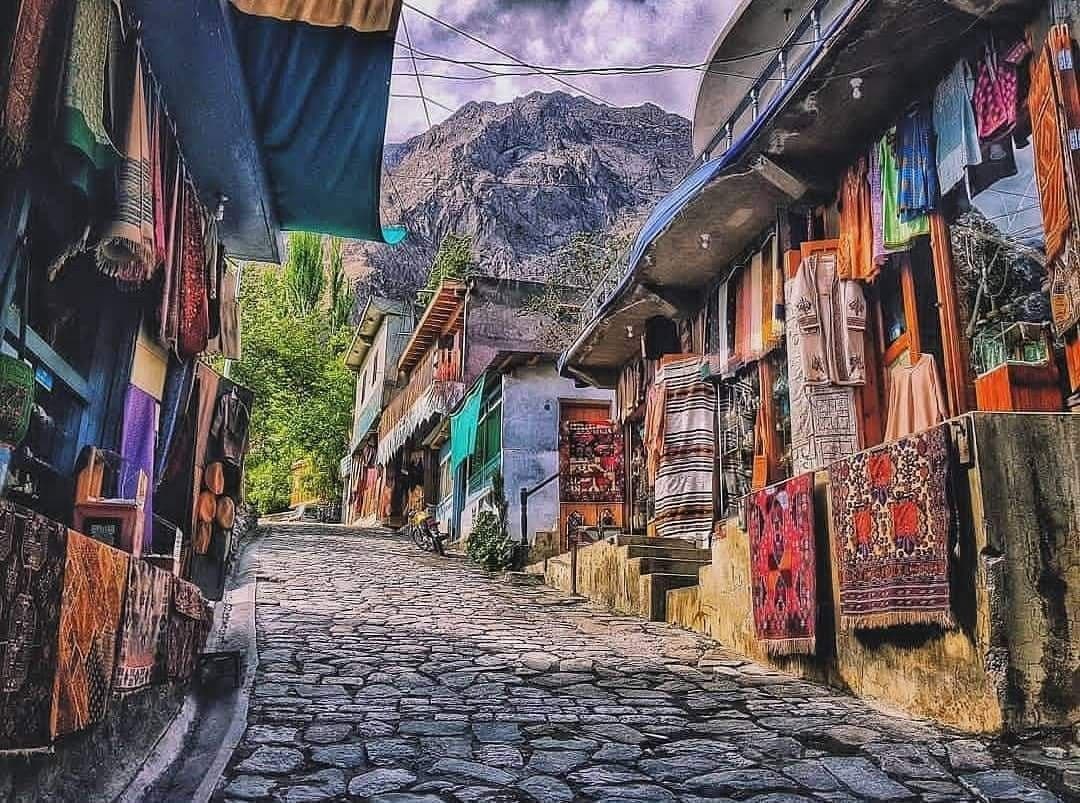
Discover the Vibrant Charm of Karimabad Bazaar in Pakistan
Karimabad Bazaar, nestled in the heart of the breathtaking Hunza Valley, is more than just a marketplace; it is a melting pot of culture, history, and vibrant local life. This bustling bazaar offers travelers a unique glimpse into the traditions and craftsmanship of the local people, making it a must-visit destination for anyone exploring Pakistan's northern regions. In this article, we will delve into the rich history, architectural beauty, and cultural significance of Karimabad Bazaar, as well as provide practical tips for your visit.
As you journey through this enchanting marketplace, you will uncover the array of goods sold by local artisans, the mouthwatering street food that tempts your palate, and the stunning backdrop of the Karakoram mountain range. Whether you’re a history buff, a culture enthusiast, or simply looking to enjoy the local flavors, Karimabad Bazaar has something for everyone. Join us as we explore the various facets of this captivating landmark.
History & Origins
The history of Karimabad Bazaar is as rich and varied as the landscape that surrounds it. Originating as a trade hub for merchants traveling through the Silk Road, this bazaar has been a center of commerce and cultural exchange for centuries. The bazaar reflects the historical significance of the region, linking the valleys of Gilgit-Baltistan with Central Asia.
- Silk Road Heritage: Karimabad was a vital stop along the ancient Silk Road, facilitating trade between East and West.
- Local Crafts: The bazaar has evolved to showcase handicrafts and local products, preserving traditional techniques.
- Cultural Exchange: Diverse influences from various cultures have shaped the marketplace, evident in its architecture and goods.
Key Historical Events
Throughout its history, the Karimabad Bazaar has witnessed numerous pivotal events that have shaped its identity. From trade agreements to cultural festivals, these moments are etched in the memories of the local populace.
- Trade Agreements: Various treaties facilitated trade routes that enriched the bazaar’s offerings.
- Festivals: Annual festivals are celebrated here, showcasing local traditions and attracting visitors.
- Modern Developments: Recent efforts have focused on preserving the heritage while promoting tourism.
Architecture & Features
The architectural design of Karimabad Bazaar is a stunning blend of traditional and modern influences, reflecting the unique cultural tapestry of the region. The structures are primarily built from local materials, featuring stone and wood that harmonize with the natural surroundings.
- Traditional Structures: Many shops are housed in buildings that exhibit classic Hunza architecture, characterized by wooden balconies.
- Artisan Workshops: You can find workshops where local artisans create pottery, textiles, and jewelry.
- Scenic Views: The bazaar offers breathtaking views of the surrounding mountains, adding to its charm.
Notable Landmarks
Within and around the bazaar, visitors can find several notable landmarks that enhance the experience of exploring Karimabad. Each site narrates a piece of the local culture and history.
- Fort Baltit: A short walk from the bazaar, this historic fort provides a glimpse into the region's royal heritage.
- Fort Altit: Another iconic structure, it showcases the architectural grandeur of the Hunza rulers.
- Local Mosques: The presence of beautiful mosques adds to the spiritual atmosphere of the area.
Cultural & Religious Significance
Karimabad Bazaar is not only a commercial hub but also a center of cultural and religious significance. The bazaar plays a crucial role in the daily lives of the locals, serving as a place for social interaction and cultural expression.
- Community Gatherings: The bazaar serves as a meeting point for locals to discuss matters and celebrate events.
- Religious Festivals: Various Islamic festivals are celebrated with great enthusiasm, drawing people to the bazaar.
- Art and Music: Local artists often perform traditional music, adding vibrancy to the marketplace.
Local Traditions
The traditions of the Hunza Valley are deeply intertwined with the daily life at Karimabad Bazaar. Visitors can witness various customs that reflect the rich heritage of the region.
- Culinary Traditions: Local dishes such as 'Chapshuro' and 'Dumplings' can be savored at food stalls.
- Craftsmanship: The bazaar is renowned for its handmade carpets, which showcase traditional weaving techniques.
- Storytelling: Local storytellers often share tales of the region's history and folklore, captivating audiences.
What to See & Do
Karimabad Bazaar is brimming with activities and sights for visitors to enjoy. Whether you’re keen on shopping, exploring local culture, or indulging in culinary delights, this bazaar has it all.
- Shopping: Discover unique handicrafts, jewelry, and traditional attire from local artisans.
- Food Tasting: Sample delicious street food, including local sweets and savory snacks.
- Photography: Capture stunning photographs of the bustling market and surrounding landscapes.
Activities for Travelers
For those looking to immerse themselves in the local culture, Karimabad Bazaar offers a range of activities that cater to various interests.
- Cooking Classes: Some local chefs offer classes that teach traditional Hunza recipes.
- Guided Tours: Consider joining a guided tour to learn more about the history and culture of the bazaar.
- Workshops: Participate in workshops focusing on traditional crafts, such as pottery or weaving.
The Visitor Experience
Visiting Karimabad Bazaar is an experience that engages all the senses. The vibrant colors of the goods, the enticing aromas from food stalls, and the sounds of lively conversations create a dynamic atmosphere that is both welcoming and exciting.
- Welcoming Locals: The locals are known for their hospitality, often inviting visitors to share in their traditions.
- Guided Tours: Local guides can enhance your experience by providing insights into the history and culture of the area.
- Safety Precautions: The bazaar is generally safe for tourists, though it’s wise to remain aware of your surroundings.
Essential Amenities
For a comfortable visit, Karimabad Bazaar offers several amenities that cater to tourists’ needs. From food stalls to rest areas, you can find everything necessary for a pleasant experience.
- Rest Areas: There are benches and shaded areas where visitors can relax and enjoy the views.
- Restrooms: Public restrooms are available nearby for visitor convenience.
- Information Centers: Local information centers can provide maps and guidance for exploration.
Location & How to Get There
Karimabad Bazaar is located in the scenic Hunza Valley, making it accessible to tourists traveling from major cities. Its strategic location allows for stunning views of the surrounding mountains and valleys, adding to the allure of your visit.
- Nearest Airport: The nearest airport is in Gilgit, approximately 100 kilometers away.
- Road Access: The bazaar is accessible via the Karakoram Highway, which offers breathtaking views along the route.
- Local Transportation: Taxis and local buses frequently service the area, making it easy to reach the bazaar.
Travel Tips
While planning your visit to Karimabad Bazaar, consider these helpful travel tips to enhance your experience and ensure a seamless journey.
- Check Weather: The weather can vary; dress in layers to adapt to changing conditions.
- Currency: Make sure to carry local currency as credit cards are not widely accepted.
- Timing Your Visit: Early mornings or late afternoons are ideal for avoiding crowds.
Best Time to Visit
The ideal time to visit Karimabad Bazaar largely depends on the type of experience you seek. Each season brings its own unique charm, from blooming flowers in spring to vibrant autumn colors.
- Spring (March to May): This is the best time for pleasant weather and blooming landscapes.
- Summer (June to August): Peak tourist season, perfect for hiking and outdoor activities.
- Autumn (September to November): Experience stunning fall colors and fewer crowds.
- Winter (December to February): Cold weather can limit access, but the snow-capped mountains offer a magical view.
Nearby Attractions
When visiting Karimabad Bazaar, be sure to explore the nearby attractions that enhance your travel experience. The Hunza Valley is renowned for its breathtaking landscapes and cultural landmarks.
- Hunza Valley: Explore the stunning scenic beauty of the valley, home to majestic peaks and lush greenery.
- Passu Cones: A short drive away, these unique mountains are a photographer's paradise.
- Attabad Lake: Enjoy boating and other water activities on this stunning turquoise lake formed by a landslide.
Pro Tips for Visiting Karimabad Bazaar
- Visit Early: Arrive early in the morning to enjoy a quieter atmosphere and better photo opportunities.
- Stay Hydrated: Carry water with you, as exploring the bazaar can be tiring, especially in warmer months.
- Local Currency: Have enough local currency on hand, as many vendors do not accept cards.
- Respect Local Customs: Be mindful of local customs and dress modestly, especially when visiting religious sites.
- Photography Etiquette: Always ask for permission before photographing locals or their crafts.
Quick Facts
| Category | Details |
|---|---|
| Location | Karimabad, Hunza Valley, Pakistan |
| Best Time to Visit | March to November |
| Entry Fee | Free |
| Nearby Attraction | Fort Baltit |
| Time Needed | 2-3 hours |
Frequently Asked Questions
What can I buy at Karimabad Bazaar?
At Karimabad Bazaar, you can purchase a variety of local handicrafts, including traditional textiles, pottery, jewelry, and souvenirs that reflect the region's rich culture.
Are there food options available?
Yes, the bazaar is famous for its street food, offering delicious local dishes such as 'Chapshuro' and various sweets that you must try during your visit.
Is Karimabad Bazaar safe for tourists?
Yes, Karimabad Bazaar is generally considered safe for tourists. However, it's always wise to stay aware of your surroundings and follow common safety precautions.
How do I get to Karimabad Bazaar from Gilgit?
You can reach Karimabad Bazaar from Gilgit by taxi or local bus. The journey takes approximately 2-3 hours, offering stunning views along the way.
What should I wear when visiting the bazaar?
It is recommended to wear modest clothing when visiting Karimabad Bazaar, respecting the local culture. Comfortable shoes are also advisable, as you will be walking around the bustling market.
Conclusion
Karimabad Bazaar is a vibrant tapestry of culture, history, and local life, making it an essential stop for travelers exploring the enchanting Hunza Valley. With its rich heritage, stunning architecture, and welcoming atmosphere, the bazaar not only offers a shopping experience but also a deeper understanding of the region's traditions and community. Whether you are indulging in local delicacies, purchasing unique handicrafts, or simply soaking in the breathtaking views, a visit to Karimabad Bazaar promises to be a memorable part of your journey through Pakistan. Embrace the spirit of this remarkable place, and allow it to leave a lasting impression on your heart.
Related Landmarks
- Explore the Vibrant Karimabad Bazar: A Gem in the Heart of Pakistan
- Explore the Vibrant Heart of Karachi: A Complete Guide to Saddar Bazaar
- Discover the Vibrant Charm of Raja Bazar: A Cultural Hub in Pakistan
- Explore the Enchantment of Qissa Khwani Bazaar: A Historical Gem in Pakistan
- Discovering the Historical Charm of Peshawar Club: A Cultural Gem in Pakistan