Nangma Valley Pakistan: The Ultimate Trekking & Travel Guide
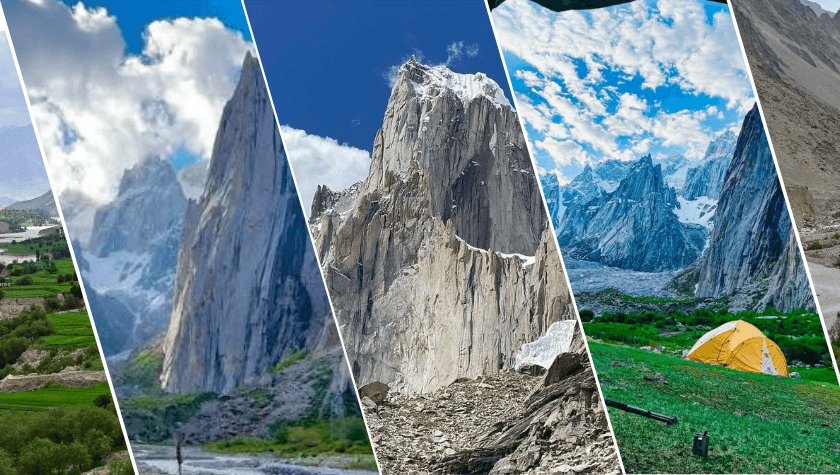
Nangma Valley is one of Pakistan’s most spectacular yet lesser-known trekking destinations, hidden among the immense granite mountains of the Karakoram Range. With towering rock walls, green alpine meadows, glacial landscapes and remote wilderness, the valley offers the kind of scenery many travellers expect only from much longer expeditions.
Often described as the “Yosemite of Pakistan,” Nangma Valley lies in the Hushe region of Gilgit-Baltistan and is reached on foot from Kanday Village. Unlike the famous K2 Base Camp trek, which requires a considerably longer commitment, the Nangma Valley trek provides an accessible introduction to the high Karakoram within a relatively short itinerary.
For international travellers searching for trekking in Pakistan, Nangma combines adventure, solitude, Balti culture and remarkable mountain scenery. Whether you are an experienced hiker or a fit traveller planning your first high-altitude trek, this guide covers everything you need to know before visiting Nangma Valley.
Where Is Nangma Valley in Pakistan?
Nangma Valley is located in Ghanche District, Gilgit-Baltistan, in the Hushe region of the Karakoram. The main gateway to the trek is Kanday Village, a remote Balti settlement reached by road from Skardu via the Khaplu region.
For most international visitors, the journey begins in Islamabad, followed by a domestic flight to Skardu. Skardu serves as the main tourism and trekking hub for many of the great mountain adventures of Baltistan.
From Skardu, travellers continue by road towards Khaplu and then Kanday. Once you reach Kanday, the road journey ends, and the real adventure begins on foot.
The transition is one of the most memorable parts of the journey. Cultivated fields and village life gradually disappear behind you as the trail climbs into an increasingly wild landscape of granite walls, streams, pastures and mountains.
Why Is Nangma Valley Called the “Yosemite of Pakistan”?
Nangma Valley has earned comparisons with Yosemite because of its extraordinary granite towers and near-vertical rock walls.
As trekkers move deeper into the valley, enormous granite formations rise dramatically from the surrounding landscape, creating a natural mountain amphitheatre.
However, Nangma is distinctly Karakoram.
Its combination of high altitude, glacial features, sharp mountain formations and remote wilderness creates a landscape with its own character. There are no busy roads or developed tourism facilities inside the upper valley. Instead, visitors experience tents, mountain trails, streams, meadows and vast walls of rock.
This combination has made the valley attractive not only to trekkers and photographers but also to experienced international rock climbers.
What Makes the Nangma Valley Trek Special?
Pakistan has some of the world’s greatest trekking routes, but many require several weeks, extensive logistics and considerable high-altitude experience.
The Nangma Valley trek is different.
Its relatively short approach makes it possible to experience genuine Karakoram wilderness without committing to a multi-week expedition. Within a few trekking days, travellers can reach alpine camps surrounded by some of the region’s most dramatic granite formations.
Highlights include:
Massive granite towers and rock walls
Beautiful alpine meadows
Remote wilderness camping
Glacial mountain scenery
Traditional Balti villages
Excellent landscape photography
Clear night skies and stargazing
Fewer trekkers than on Pakistan’s major trekking routes
Opportunities for optional higher day hikes
For travellers with limited time, Nangma offers an exceptional scenery-to-effort ratio.
Amin Brakk and the Granite Towers of Nangma Valley
One of the defining landmarks of Nangma Valley is Amin Brakk, also known as the Great Tower of Pakistan.
Rising to approximately 5,850 metres, Amin Brakk is an enormous granite formation recognized in the international big-wall climbing community. Together with neighbouring towers, it creates the dramatic skyline for which Nangma has become famous.
Trekkers do not need technical climbing skills simply to experience the valley.
The important distinction is between trekking to the valley and base areas and attempting the technical rock faces themselves. The main Nangma trek is a hiking and camping adventure, whereas climbing major granite towers such as Amin Brakk is a serious mountaineering objective requiring specialist experience and equipment.
Fit and properly acclimatized trekkers may include an optional hike towards the Amin Brakk Base Camp area, depending on their itinerary, weather and local conditions.
Nangma Valley Trek Route
The exact itinerary can vary between trekking companies, weather conditions and acclimatization plans, but most journeys follow the same general approach.
Skardu to Kanday Village
The adventure begins with a scenic drive from Skardu towards Kanday, usually travelling through the Khaplu region and increasingly remote parts of Baltistan.
The road journey is an experience in itself, with views of rivers, mountains, cultivated terraces and traditional villages.
Kanday serves as the primary trailhead for the Nangma Valley trek.
Kanday to Mingulo Broq
Leaving Kanday, the trail gradually climbs away from the village and cultivated fields.
Trekkers begin entering a quieter mountain environment as huge granite formations become increasingly prominent.
Mingulo Broq, a high mountain pasture, is commonly used as an early campsite. Spending a night here also helps trekkers adjust gradually before sleeping at higher elevations.
Mingulo Broq to Upper Nangma Valley
The scenery becomes considerably more dramatic as the trail continues towards the upper valley.
Green meadows contrast beautifully with grey granite cliffs, snow-covered mountains and glacial terrain. Upper camps are typically around 3,900–4,000 metres, although exact elevations depend on the selected campsite.
For many visitors, simply spending a night beneath these enormous mountains becomes the highlight of the entire journey.
Optional Amin Brakk Base Camp Hike
Depending on fitness, acclimatization and weather, an additional hike towards the Amin Brakk Base Camp area may take trekkers higher, potentially towards approximately 4,500 metres.
This excursion should only be undertaken according to current trail conditions and guidance from the trekking team.
The return journey generally follows the valley back towards Kanday before continuing by road to Skardu.
How Difficult Is the Nangma Valley Trek?
The Nangma Valley trek is generally considered a moderate, non-technical trek, making it considerably more approachable than many longer Karakoram expeditions.
However, “non-technical” does not mean effortless.
The main challenge is altitude. Trekking and camping close to 4,000 metres can affect travellers differently, regardless of general fitness.
Trekkers should be comfortable walking uphill for several hours while carrying a daypack. Previous hiking experience is beneficial, although advanced mountaineering skills are not normally required for the standard trekking route.
A sensible pace, adequate hydration and gradual acclimatization are important throughout the journey.
Anyone experiencing persistent headache, nausea, dizziness, unusual weakness or other symptoms associated with altitude should immediately inform their trekking guide.
How Many Days Do You Need for Nangma Valley?
The trekking portion can commonly be completed in approximately 4–6 days, depending on the exact route, campsite selection and optional excursions.
International travellers should plan more time.
A complete Pakistan itinerary may require around 10–14 days when international arrival, Islamabad, flights to Skardu, road transfers, acclimatization and contingency days are included.
Adding buffer time is particularly valuable because flights between Islamabad and Skardu can be affected by mountain weather.
Trying to compress the entire trip into the shortest possible schedule can also reduce the time available for acclimatization.
Best Time to Visit Nangma Valley
The main Nangma Valley trekking season runs from approximately June to September.
June brings fresh landscapes and fewer visitors, although snow can remain at higher elevations and conditions may be cooler.
July and August generally provide warmer trekking conditions and beautifully green alpine pastures. These months are particularly attractive for travellers who want to experience the valley at its most vibrant.
September can offer cooler temperatures, clearer autumn light and excellent conditions for mountain photography, although nights become colder.
Mountain weather is inherently unpredictable, so trekkers should always carry appropriate warm and waterproof clothing regardless of the month.
Camping in Nangma Valley
Camping is an essential part of the Nangma experience.
Once you leave Kanday and enter the mountains, do not expect conventional hotels, restaurants or urban facilities. The simplicity is part of the attraction.
A supported trekking setup will typically include sleeping tents, cooking arrangements, meals and local trekking staff, depending on the selected package.
Evenings can become cold quickly at altitude, while clear nights can reveal exceptionally dark skies filled with stars.
Connectivity should also be considered limited or unavailable in remote sections. International travellers should inform family or friends in advance that they may be temporarily unreachable.
What to Pack for the Nangma Valley Trek
Packing correctly can make a major difference to comfort and safety.
Essential items generally include well-broken-in trekking boots, warm base and insulating layers, a waterproof and windproof outer shell, trekking trousers, gloves, a warm hat, sun hat, sunglasses, high-SPF sunscreen, trekking poles, headlamp, reusable water bottle and a comfortable daypack.
A sufficiently warm sleeping bag is also important if it is not already supplied by your trekking operator.
Carry personal medication and a small supply of essential toiletries. Avoid unnecessary weight, particularly when porter allowances apply.
The strong mountain sun can be deceptive in cool temperatures, making UV protection and hydration particularly important.
Nangma Valley for International Tourists
For overseas travellers, Nangma Valley offers an opportunity to experience a side of Pakistan that is far removed from major cities and conventional sightseeing routes.
Most journeys are organized through Skardu, where travellers can meet guides, arrange trekking logistics and make final equipment preparations.
Using experienced local trekking staff is highly recommended. Local teams understand changing trail conditions, weather patterns, campsites and community customs while also helping organize food, porters and camping logistics.
International visitors should also carry suitable travel insurance that covers trekking at the maximum altitude planned in their itinerary, including emergency evacuation where appropriate.
Cash should be arranged before entering remote areas, and travellers should not depend on mobile internet or card payments once they leave the larger towns.
Responsible Trekking and Balti Culture
Nangma Valley’s remoteness is one of its greatest attractions, but it also makes the environment particularly vulnerable.
Trekkers should follow Leave No Trace principles, avoid leaving plastic or other waste behind and use established camping areas wherever possible.
Respect for local Balti communities is equally important.
Ask permission before photographing people, dress respectfully when passing through villages and follow the guidance of local hosts and trekking staff.
Hiring local guides, porters, cooks and transport providers can also help ensure that tourism directly supports communities living around the trekking region.
Responsible travel is essential if Nangma Valley is to remain beautiful as visitor numbers increase.
Is Nangma Valley Worth Visiting?
Absolutely—particularly for travellers who want a shorter Karakoram trek with enormous visual rewards.
Nangma Valley delivers many of the elements that make trekking in Pakistan exceptional: immense mountains, remote camps, high-altitude landscapes, Balti hospitality and a genuine sense of wilderness.
It is particularly appealing to travellers who are not ready to commit to a long expedition such as K2 Base Camp but still want an authentic introduction to trekking in the Karakoram.
Standing in a quiet alpine meadow while granite towers rise thousands of metres above you is difficult to capture in photographs alone. Nangma is a place that needs to be experienced on foot.
For adventure travellers searching for one of Pakistan’s best short high-altitude treks, Nangma Valley deserves a place near the top of the list.
FAQs
1. Where is Nangma Valley located?
Nangma Valley is located above Kanday Village in the Hushe region of Ghanche District, Gilgit-Baltistan, Pakistan, within the Karakoram Range.
2. How difficult is the Nangma Valley trek?
The standard trek is generally moderate and non-technical. The main challenge is trekking and camping at high altitude rather than technical climbing.
3. Can beginners trek Nangma Valley?
Fit beginners with suitable preparation and sensible acclimatization can consider the trek. Previous hiking experience is helpful, and travellers should be comfortable walking uphill for several hours.
4. What is the best time to trek Nangma Valley?
The main trekking season is June to September, with July and August generally offering warmer summer conditions and greener alpine landscapes.
5. How long does the Nangma Valley trek take?
The trekking section commonly takes around 4–6 days, while a complete international itinerary including Islamabad, Skardu, transfers and acclimatization may take approximately 10–14 days.
6. How do you reach Nangma Valley from Skardu?
Travellers drive from Skardu through the Khaplu/Hushe region towards Kanday Village. From Kanday, Nangma Valley is reached on foot.
7. What is the altitude of Nangma Valley?
Common upper trekking camps are situated at approximately 3,900–4,000 metres, while optional hikes towards the Amin Brakk Base Camp area may reach roughly 4,500 metres.
8. Do you need technical climbing skills for Nangma Valley?
Not for the standard Nangma Valley trek. The trekking route is generally non-technical. Climbing granite towers such as Amin Brakk, however, is a completely different activity requiring advanced technical climbing and mountaineering expertise.
9. Why is Nangma Valley famous?
Nangma Valley is famous for its massive granite towers, alpine meadows, remote wilderness, and dramatic Karakoram scenery. These vertical rock formations have also led to its nickname, the “Yosemite of Pakistan.”
10. Is Nangma Valley suitable for international tourists?
Yes. With appropriate preparation, acclimatization, insurance, and experienced local trekking support, Nangma Valley can be an excellent choice for international adventure travellers looking to explore the Karakoram.