Mohenjo Daro: Explore the 4500-Year-Old Marvel of Ancient Civilization in Pakistan
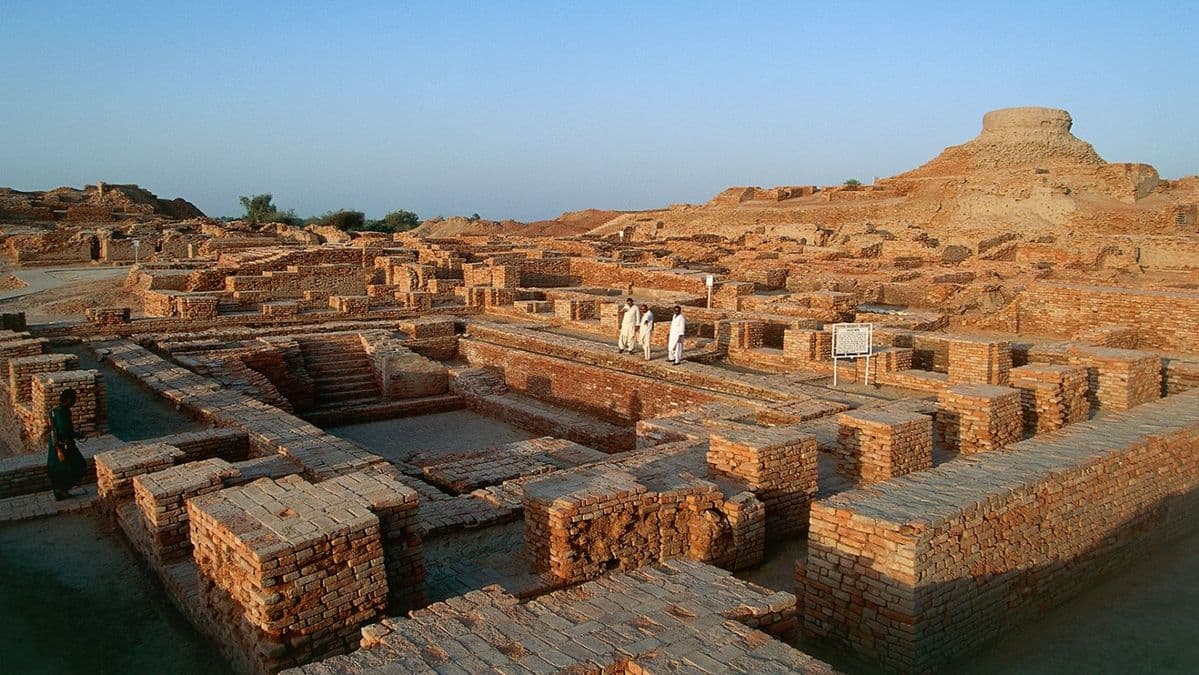
Mohenjo Daro: Explore the 4500-Year-Old Marvel of Ancient Civilization in Pakistan
Nestled in the arid landscape of the Sindh province of Pakistan lies Mohenjo Daro, an archaeological wonder that dates back over 4500 years. This ancient city, part of the Indus Valley Civilization, offers a unique glimpse into one of the world's earliest urban cultures. In this article, we will delve into the rich history, remarkable features, and cultural significance of Mohenjo Daro, while providing practical tips for travelers looking to explore this UNESCO World Heritage Site.
As you read on, you'll discover the historical origins of Mohenjo Daro, the fascinating highlights and features that make it a must-visit, and what visitors can see and do while exploring this ancient city. We will also discuss how to reach this archaeological gem, the best times to visit, nearby attractions, and insider tips to enhance your experience.
History & Origins
Mohenjo Daro, translating to "Mound of the Dead," was built around 2500 BCE, making it one of the oldest urban settlements known to mankind. This ancient city was part of a sophisticated civilization that flourished alongside the Indus River, showcasing advanced urban planning and architecture. The discovery of Mohenjo Daro in the 1920s marked a significant milestone in archaeology, revealing insights into the life and culture of the Indus Valley people.
- Established: Around 2500 BCE during the Indus Valley Civilization.
- Discovery: Uncovered in the 1920s by archaeologists like R.D. Banerji.
- Urban Planning: Remarkable grid layout with advanced drainage systems.
- Decline: The reasons for its abandonment remain a subject of research.
- UNESCO World Heritage Site: Designated in 1980 for its cultural significance.
Architectural Marvels
The architectural brilliance of Mohenjo Daro is evident in its well-planned streets, sophisticated drainage systems, and impressive public buildings. The city was designed to accommodate a large population with amenities that were advanced for its time, including residential areas, baths, and granaries.
- Grid Layout: Streets laid out in a grid pattern, indicative of organized urban planning.
- Great Bath: A monumental structure believed to be used for ritual bathing.
- Houses: Constructed from baked bricks with flat roofs and multiple rooms.
- Drainage System: One of the earliest examples of urban sanitation.
- Public Granaries: Facilities for storing surplus grain, showing foresight in resource management.
Highlights & Features
Mohenjo Daro is dotted with significant archaeological features that provide insight into the daily lives of its inhabitants. The city’s layout, buildings, and artifacts bring to life the social structure and culture of the Indus Valley Civilization. Visitors to Mohenjo Daro will be captivated by its enduring legacy and impressive ruins.
- The Great Bath: A large, public bathing area that signifies the importance of water in their culture.
- Stupas: Ancient structures that served religious or ceremonial purposes.
- Seal Carvings: Intricate seals with animal motifs and script, highlighting trade and communication.
- Warehouse Complex: Large buildings believed to be used for storage and trade.
- Residential Areas: Remains of houses offering a glimpse into domestic life.
Cultural Significance
The significance of Mohenjo Daro extends beyond its architectural wonders; it serves as a vital link to understanding the early civilization of the Indus Valley. The artifacts and structures found here reflect the social, economic, and religious practices of one of the world's earliest urban cultures, making it an invaluable site for researchers and historians alike.
- Trade and Economy: Evidence of a thriving economy based on agriculture, trade, and craftsmanship.
- Art and Craftsmanship: Artifacts such as pottery, jewelry, and tools demonstrate high levels of artistic skill.
- Religious Beliefs: Structures like the Great Bath suggest ritualistic practices.
- Script and Language: The discovery of seals with inscriptions points to a sophisticated form of communication.
- Urban Planning: The city layout reflects advanced knowledge of urban design.
What to See & Do
When visiting Mohenjo Daro, there are several key sites and activities that should not be missed. From exploring ancient ruins to taking guided tours, each experience adds to the understanding of this historic city.
- Guided Tours: Opt for guided tours to gain deeper insights from knowledgeable archaeologists.
- Photography: Capture stunning images of ancient ruins, especially at sunrise and sunset.
- Visitor Center: Start your visit at the center for informative displays and exhibits.
- Excavation Sites: Explore ongoing excavation sites to witness the preservation of history.
- Local Culture: Engage with local artisans and learn about traditional crafts.
The Visitor Experience
Visiting Mohenjo Daro is a journey into the past, offering a unique opportunity to connect with one of humanity's earliest civilizations. The site is not only about the ruins but also the stories they tell, making it a profound experience for history buffs and casual travelers alike.
- Accessibility: The site is accessible year-round, with pathways designed for easy navigation.
- Guided Interpretations: Many tours include explanations of the significance of various structures.
- Visitor Facilities: Amenities such as restrooms and refreshments are available nearby.
- Safety Measures: Visitors are advised to stay on marked paths to protect the site.
- Interactive Exhibits: Engage with artifacts and models at the visitor center.
Location & How to Get There
Mohenjo Daro is located in the Larkana District of Sindh, Pakistan, along the Indus River. Reaching this ancient city is relatively straightforward, with various transportation options available to ensure a smooth journey for visitors.
- Nearest City: The city of Larkana is approximately 28 kilometers away.
- Transportation: Accessible by road from major cities like Karachi and Hyderabad.
- Public Transport: Buses and taxis are available for hire from nearby cities.
- Local Guides: Consider hiring a local guide for an enriched experience upon arrival.
- Entry Fees: A nominal fee is charged for entry, which helps in the preservation of the site.
Best Time to Visit
The climate in Sindh can vary significantly, making the timing of your visit crucial for an enjoyable experience. The best time to explore Mohenjo Daro is during the cooler months when the weather is more forgiving and conducive to outdoor exploration.
- Optimal Months: October to March are ideal due to milder temperatures.
- Summer Months: April to June can be extremely hot, discouraging outdoor activities.
- Festivals: Local cultural festivals may enhance your visit experience if timed right.
- Weekdays vs. Weekends: Weekdays are generally less crowded, offering a more tranquil experience.
Nearby Attractions
While Mohenjo Daro is a destination in its own right, there are several nearby attractions that can enrich your visit to this historic region. Exploring these sites can provide additional context and a broader understanding of the rich heritage of Sindh.
- Indus River: Enjoy scenic views and learn about its significance to the Indus Valley Civilization.
- Larkana: Visit the nearby city for local cuisine and cultural experiences.
- Bhambore: Another archaeological site that showcases remnants of ancient civilizations.
- Ranikot Fort: A historic fort located about 40 kilometers from Mohenjo Daro, known as the "Great Wall of Sindh."
- Qalander Shah's Tomb: A revered site of local pilgrimage located in the vicinity.
Pro Tips for Visiting Mohenjo Daro 4500 Years Old City
- Best Time: Visit during the cooler months from October to March for a more comfortable experience.
- What to Carry: Bring water, sunscreen, and comfortable walking shoes for exploring the site.
- Photography: Early morning or late afternoon provides the best lighting for photography.
- Avoiding Crowds: Plan your visit on weekdays to avoid larger tourist crowds.
- Local Guides: Hiring a local guide can greatly enhance your understanding of the site's significance.
Quick Facts
| Category | Details |
|---|---|
| Location | Larkana District, Sindh, Pakistan |
| Best Time to Visit | October to March |
| Entry Fee | Nominal fee for preservation |
| Nearby Attraction | Indus River, Larkana city, Bhambore |
| Time Needed | 2-3 hours for exploration |
Frequently Asked Questions
What is Mohenjo Daro known for?
Mohenjo Daro is renowned for being one of the oldest urban settlements in the world, showcasing the architectural and urban planning skills of the Indus Valley Civilization. Its well-preserved ruins and advanced drainage systems highlight the sophistication of this ancient society.
How do I get to Mohenjo Daro?
Mohenjo Daro is accessible by road from major cities like Karachi and Hyderabad. The nearest city is Larkana, which is about 28 kilometers away and has local transport options available, including buses and taxis.
Can I take photographs at the site?
Yes, photography is allowed at Mohenjo Daro, and the best times for capturing the ruins are during early morning and late afternoon when the light is softer. However, be respectful of the site and avoid using flash in sensitive areas.
Is there a visitor center at Mohenjo Daro?
Yes, there is a visitor center that provides informative displays and exhibits about the history and significance of the site. It is recommended to start your visit there to get a comprehensive understanding of what you will see.
What should I wear when visiting Mohenjo Daro?
Visitors are advised to wear comfortable clothing and sturdy shoes, as the site involves a fair amount of walking. Given the climate, wearing lightweight, breathable fabrics is also advisable, especially during the warmer months.
Conclusion
Mohenjo Daro stands as a testament to the ingenuity and sophistication of one of the world's earliest civilizations. Its rich history, remarkable architecture, and cultural significance make it a must-visit destination for anyone interested in archaeology and ancient history. As you explore this magnificent site, you will not only witness the remnants of an ancient society but also feel a profound connection to the past. Plan your visit to Mohenjo Daro and immerse yourself in the stories that have shaped human civilization.