Lahore Havelis: Exploring the Timeless Mansions of the Walled City
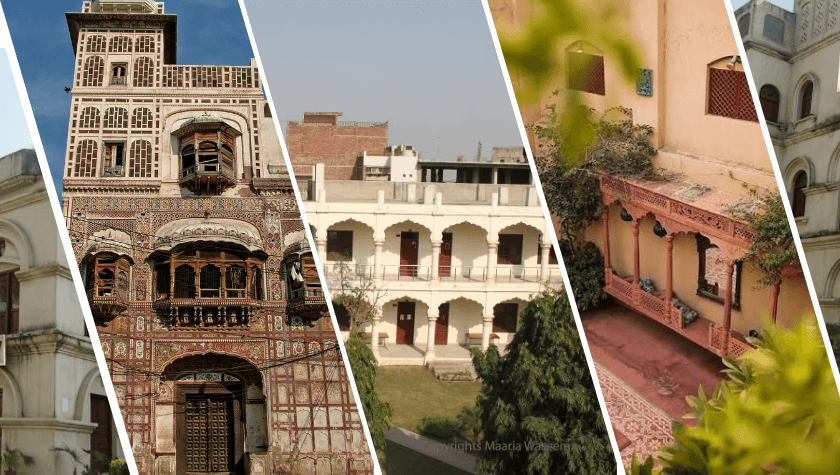
Lahore is a city where history rarely stays behind museum glass. It lives in crowded bazaars, centuries-old streets, carved wooden balconies, and grand houses hidden behind surprisingly modest entrances. Among the most fascinating reminders of this past are the Lahore havelis, the traditional mansions scattered throughout the Walled City.
Step into the narrow lanes of Androon Lahore, and the modern city seems to fade behind you. Ornate façades rise above bustling shops, old jharokas overlook winding streets, and courtyards remain concealed behind heavy wooden doors. These historic havelis tell stories of wealthy families, royal connections, changing dynasties, and the craftsmen who transformed brick, wood, glass, and paint into remarkable works of architecture.
For travellers interested in history, architecture and Pakistani culture, exploring the historic havelis in Lahore offers a completely different perspective on the city.
What Is a Haveli?
A haveli is a traditional mansion commonly associated with affluent families, nobles, merchants and other prominent residents of the Indian subcontinent.
Unlike a modern house designed primarily around individual rooms, the traditional haveli often revolves around an internal courtyard. Rooms, corridors and balconies face this central space, creating a private environment separated from the activity of the street outside.
This layout was practical as well as beautiful. Courtyards allowed natural light and ventilation to enter the residence while providing families with protected spaces for everyday activities and social gatherings.
In Lahore, havelis are especially interesting because their architecture reflects different chapters of the city's history. Mughal, Sikh, and later influences can be observed across Lahore's historic urban landscape.
Why Are the Havelis of Lahore So Special?
The havelis of Lahore are more than old mansions. They provide a glimpse into how previous generations lived.
A palace or fort tells us about rulers and governments, but a haveli can reveal something more intimate: family life, social customs, craftsmanship and the relationship between private residences and the neighbourhoods surrounding them.
Many traditional havelis incorporated elaborate woodwork, decorative ceilings, frescoes, arches, balconies and internal courtyards. Some contained upper rooms designed to catch the breeze and provide views across the densely built city.
The result was an architectural style that balanced privacy, climate, aesthetics and community life.
Famous Havelis in Lahore You Should Know
Numerous historic residences have existed within old Lahore, although not all have survived in their original form. Some have disappeared, while others have been altered, divided or adapted for new purposes.
Several surviving havelis, however, remain important landmarks in Lahore's architectural story.
1. Haveli Nau Nihal Singh
Among the most famous havelis in Lahore, Haveli Nau Nihal Singh is an outstanding example of architecture from the Sikh period.
Located inside Mori Gate, the mansion was used as a private residence by Nau Nihal Singh. Its historic design included spacious chambers, halls and balconies, while decorative work incorporated paintings, mirrors, glass and ornamental details.
One of its most distinctive elements is the upper Shish Mahal. Positioned high above the surrounding neighbourhood, this space served as a place where residents could enjoy fresh air and views over the city.
The building later became associated with educational use, an adaptation that has also helped keep this significant heritage structure in active use.
For travellers interested in Sikh architecture in Lahore, Haveli Nau Nihal Singh deserves particular attention.
2. Mubarak Haveli
Hidden within the Mochi Gate area, Mubarak Haveli is another historic mansion with a fascinating past.
Its origins are connected to the Mughal period, and the haveli was constructed by three brothers: Mir Bahadur Ali, Mir Nadir Ali and Mir Bahar Ali. According to the history recorded by the Walled City of Lahore Authority, the residence acquired the name "Mubarak" following an auspicious family event after its completion.
The mansion later became connected with Maharaja Ranjit Singh and Shah Shuja of Afghanistan. Its history is also linked with the celebrated Koh-i-Noor diamond, giving the building a place in stories that extend far beyond Lahore itself.
For history enthusiasts, Mubarak Haveli demonstrates how one residence can become connected with several different eras and personalities.
3. Barood Khana Haveli
Near the historic Heera Mandi area stands Barood Khana Haveli, another intriguing part of Lahore's heritage.
The property is associated with the Sikh period and was connected with military use, including the storage of arms and ammunition. Its name reflects this association, as barood khana refers to a place used for gunpowder or ammunition.
Today, the haveli is also known for its connection with Lahore's cultural life. Over time, the residence has hosted cultural and artistic gatherings, giving an old building a continuing role within the modern city.
Visitors should note that Barood Khana Haveli should not be confused with the separate Barood Khana structure inside Lahore Fort.
4. Haveli Khushal Singh
Another significant example of Lahore haveli architecture is Haveli Khushal Singh.
The building is associated with the Sikh era and is notable for features including courtyards, arched passages and architectural imagery from the period. Like Haveli Nau Nihal Singh, the property has been adapted for educational purposes.
Adaptive reuse can be particularly important for historic architecture. When managed sensitively, giving an old building a practical modern function can help prevent abandonment and deterioration while maintaining its connection with everyday life.
5. Haveli Wajid Ali Shah
Haveli Wajid Ali Shah is another stop associated with heritage exploration around the Bhati Gate side of the Walled City.
The area itself is particularly rewarding for travellers who enjoy walking through historic neighbourhoods rather than simply moving between major monuments. Old houses, religious buildings, bazaars and traditional streets combine to create a broader picture of Lahore's urban heritage.
The Walled City of Lahore Authority currently includes Haveli Wajid Ali Shah among the attractions on its guided Havelis of Lahore route, alongside several other historic properties.
Architecture of Lahore Havelis
One reason Lahore havelis continue to fascinate photographers and architecture lovers is the extraordinary attention paid to detail.
Look closely, and you may encounter carved wooden doors, projecting jharokas, decorative arches, ornamental ceilings, frescoes, mirror work, and traditional brick construction.
The courtyard, however, is often the heart of the haveli.
Surrounded by rooms and passages, this open area created a shared yet private family environment. It also improved ventilation and brought sunlight into spaces that might otherwise have been dark within Lahore's tightly packed urban streets.
Upper floors and balconies provided additional ventilation while allowing residents to observe activity below without sacrificing the privacy of the household.
These elements demonstrate that historic architecture was not merely decorative. It responded intelligently to climate, family life and the dense structure of the old city.
Exploring the Walled City of Lahore
The experience of discovering the havelis in the Walled City of Lahore begins long before you enter one.
The surrounding streets are part of the attraction.
Walking through old Lahore means encountering spice sellers, food stalls, mosques, workshops, historic houses and busy bazaars within a relatively compact urban landscape. Around every corner, the city seems to reveal another architectural detail.
Rather than treating a haveli as an isolated tourist attraction, visitors should explore the neighbourhood around it. This provides valuable context for understanding why these residences were constructed where they were and how they functioned as part of the wider community.
The Walled City of Lahore Authority also offers heritage tours that include several historic havelis, which can be useful for visitors who want guided historical context.
Best Time to Explore Lahore Havelis
The cooler months are generally more comfortable for exploring the Walled City on foot. Lahore's summer temperatures can make extended daytime walking challenging, particularly in crowded bazaars.
Morning visits can be especially rewarding. The streets gradually come alive as shops open and neighbourhood activity begins, while the softer daylight can be excellent for architectural photography.
Whenever you visit, comfortable walking shoes are essential. The old city's narrow streets are best explored slowly and on foot.
Visitors should also remember that access to individual havelis can vary. Some historic buildings remain private, while others function as schools, cultural spaces or institutions. Always check current access arrangements and seek permission before entering or photographing private property.
Lahore Havelis and Heritage Conservation
The survival of historic havelis in Lahore is not guaranteed.
Age, weather, pollution, commercial pressure, alterations and changing patterns of ownership can all affect old buildings. Once original woodwork, frescoes or architectural layouts disappear, recreating their historical authenticity can be extremely difficult.
Conservation therefore involves more than repairing walls.
Historic structures need documentation, appropriate materials, skilled craftspeople and sustainable uses that allow them to remain relevant to the communities around them.
Heritage tourism can contribute to this process when managed responsibly. Travellers who hire knowledgeable guides, support local businesses and treat historic neighbourhoods respectfully help create economic value around cultural preservation.
Tips for Visiting the Havelis of Lahore
A little preparation can make exploring Lahore's old mansions much more rewarding.
Wear comfortable shoes and allow enough time to wander rather than rushing between landmarks. Consider using a local heritage guide, particularly if you want to understand the stories hidden behind architectural details that are easy to overlook.
Always ask before photographing residents, and never assume an old building is open to the public simply because it has historical importance.
Combining a haveli tour with other historical places in Lahore, such as Lahore Fort, Badshahi Mosque and the bazaars of the Walled City, can turn the visit into a fuller exploration of the city's heritage.
Why Lahore Havelis Deserve a Place on Your Itinerary
Lahore's monumental attractions may dominate travel guides, but its havelis reveal a quieter and more personal history.
They show how influential families lived, how craftsmen expressed their creativity, and how architecture adapted to the social and environmental needs of the city.
Most importantly, these buildings remind us that Lahore's heritage does not belong to a single period.
Mughal, Sikh, colonial and modern chapters overlap throughout the Walled City, producing an urban landscape unlike anywhere else in Pakistan.
For travellers who want to go beyond the usual tourist attractions, exploring the Lahore havelis is an opportunity to discover the city through its courtyards, balconies, hidden rooms and centuries-old streets.
In the Walled City, history isn't only something you see.
It is something you walk through.