Discovering the Enchanting Pir Ghaib Waterfall in Bolan Valley, Balochistan
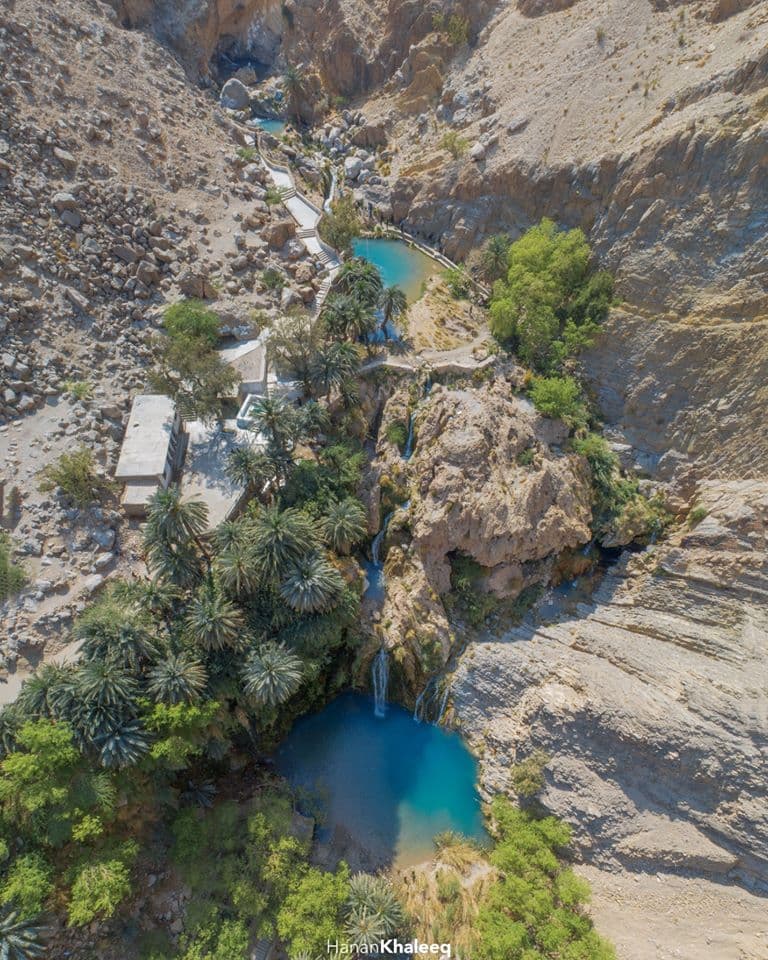
Discovering the Enchanting Pir Ghaib Waterfall in Bolan Valley, Balochistan
Nestled in the breathtaking landscapes of Balochistan, the Pir Ghaib Waterfall in Bolan Valley is a hidden gem that offers an escape into nature’s pristine beauty. Surrounded by rugged mountains and lush greenery, this waterfall is not just a sight to behold but also a symbol of the rich culture and history of the region. In this article, we will explore the history and origins of Pir Ghaib Waterfall, its highlights, cultural significance, activities for visitors, and practical travel tips to make your journey unforgettable.
Whether you are an adventure seeker, a photography enthusiast, or simply looking for a tranquil spot to unwind, Pir Ghaib Waterfall has something for everyone. Get ready to immerse yourself in the natural wonders, vibrant local traditions, and stunning vistas that this enchanting location has to offer. Let’s dive deeper into what makes the Pir Ghaib Waterfall a must-visit destination in Balochistan.
History & Origins
The history of Pir Ghaib Waterfall is as captivating as its stunning views. The name "Pir Ghaib" translates to "the unseen saint," and it is believed that this site has spiritual significance for local communities. Traditionally, it is said that a saint once resided in this area, making it a revered pilgrimage site for many.
- Spiritual Significance: The waterfall is associated with local legends and is considered a sacred site by many.
- Historical Context: The region has been inhabited for centuries, with traces of ancient civilizations in nearby areas.
- Local Folklore: Numerous stories and tales revolve around the waterfall, adding to its mystique.
Local Legends
According to local folklore, it is believed that the waters of Pir Ghaib have healing properties, attracting visitors seeking both natural beauty and spiritual solace. The tales of the waterfall have been passed down through generations, emphasizing the bond between nature and spirituality.
Highlights & Features
The Pir Ghaib Waterfall boasts a unique combination of natural beauty and geological features that make it a remarkable destination for travelers. With its cascading waters, the waterfall creates a picturesque scene that is a treat for the eyes and soul.
- Cascading Waters: The waterfall flows down from a height of approximately 30 meters, creating a stunning visual spectacle.
- Surrounding Landscape: The lush greenery and rugged cliffs surrounding the waterfall provide a perfect backdrop for photography.
- Natural Pools: The area around the waterfall features natural pools, perfect for a refreshing dip on a hot day.
Flora and Fauna
The region around Pir Ghaib is rich in biodiversity, with various species of plants and animals. The lush vegetation provides habitat for numerous birds and small mammals, making it a delightful spot for nature enthusiasts.
Cultural Significance
The cultural significance of Pir Ghaib Waterfall goes beyond its natural beauty; it is deeply woven into the local traditions and lifestyles of the communities in Balochistan. This site serves as a gathering place for locals and visitors alike, promoting a sense of community and shared heritage.
- Festivals and Celebrations: Local festivals often take place near the waterfall, celebrating cultural heritage and traditions.
- Art and Craft: The region is known for its handicrafts, and many local artisans can be found showcasing their work nearby.
- Spiritual Practices: Many locals visit the waterfall for spiritual cleansing and to seek blessings.
Traditional Cuisine
Visitors to Pir Ghaib can also indulge in local Balochi cuisine, which is a significant part of the region's cultural identity. Traditional dishes such as Sajji and Kaak, along with fresh local fruits, can often be found at nearby eateries.
What to See & Do
Visiting Pir Ghaib Waterfall is not just about admiring the views; there are numerous activities and sights that make the experience even more enjoyable. From hiking trails to serene picnic spots, there’s plenty to keep you engaged.
- Hiking Trails: Explore the scenic trails leading to the waterfall, offering breathtaking views of the landscape.
- Photography Opportunities: Capture stunning photographs of the waterfall and its surroundings, especially during sunrise or sunset.
- Picnicking: Enjoy a leisurely picnic by the waterfall, surrounded by nature's beauty.
Adventure Activities
For the more adventurous, there are opportunities for rock climbing and trekking in the surrounding hills. The diverse terrain provides various challenges for outdoor enthusiasts, making it a perfect spot for adventure sports.
The Visitor Experience
The experience of visiting Pir Ghaib Waterfall is truly unique. Tourists are often greeted by the friendly locals who are proud to share their culture and heritage. The tranquil environment and the sound of cascading water create a serene atmosphere that is perfect for relaxation.
- Local Hospitality: The warmth and hospitality of the local people enhance the visitor experience.
- Guided Tours: Consider joining a guided tour to learn more about the history and significance of the area.
- Accessibility: The waterfall is accessible by road, making it easy for visitors to reach.
Visitor Amenities
The area around the waterfall is equipped with basic amenities for visitors, including restrooms and small shops selling local snacks and drinks. This ensures that you have a comfortable experience while enjoying the natural beauty.
Location & How to Get There
Pir Ghaib Waterfall is located in the Bolan Valley of Balochistan, which is easily reachable from major cities like Quetta. Understanding the best routes and transport options is crucial for a smooth journey.
- Distance from Quetta: Approximately 70 kilometers, about a 1.5-hour drive.
- Transport Options: Available options include hiring a taxi or taking a local bus.
- Road Conditions: Ensure your vehicle is suitable for rural roads, as some areas may be unpaved.
Directions
From Quetta, follow the main highway towards Sibi, then take the Bolan Valley road leading directly to the waterfall. The journey offers stunning views of the surrounding landscape, so keep your camera handy!
Best Time to Visit
The best time to visit Pir Ghaib Waterfall is during the spring and autumn months when the weather is mild and pleasant. This ensures a comfortable experience for outdoor activities and sightseeing.
- Spring Season: March to May offers blooming flora and moderate temperatures.
- Autumn Season: September to November provides clear skies and beautiful foliage.
- Summer Precautions: If visiting in summer, plan for early morning or late afternoon to avoid extreme heat.
Weather Considerations
Be prepared for varying weather conditions, especially if you are planning to hike. Carrying lightweight clothing and a rain jacket is advisable to ensure comfort during your visit.
Nearby Attractions
While Pir Ghaib Waterfall is a highlight in itself, there are several nearby attractions worth exploring to enrich your travel experience in Balochistan. Each of these sites offers a unique glimpse into the region's natural beauty and cultural heritage.
- Bolan Pass: A stunning mountain pass known for its historical significance and breathtaking views.
- Hanna Lake: A beautiful lake offering boating and picnic opportunities, located a short drive from Quetta.
- Quetta: Explore the capital city of Balochistan, known for its vibrant markets and cultural sites.
Cultural Sites
Don’t miss the chance to explore local bazaars and cultural sites in Quetta, where you can experience the rich heritage of Balochistan through its crafts, music, and culinary delights.
Pro Tips for Visiting Pir Ghaib Waterfall Bolan Valley Balochistan
- Best Time: Visit during weekdays to avoid crowds and enjoy a more serene experience.
- What to Carry: Bring water, snacks, and a first-aid kit for outdoor activities.
- Photography Tips: Early morning or late afternoon provides the best natural lighting for photographs.
- Respect Local Customs: Be mindful of local traditions and customs, especially when interacting with residents.
- Plan Your Trip: Make sure to check the local weather forecast before heading out.
Quick Facts
| Fact | Details |
|---|---|
| Location | Bolan Valley, Balochistan, Pakistan |
| Best Time to Visit | March to May, September to November |
| Entry Fee | Free |
| Nearby Attraction | Bolan Pass, Hanna Lake |
| Time Needed | Half a day to explore |
Frequently Asked Questions
Is Pir Ghaib Waterfall accessible year-round?
Yes, Pir Ghaib Waterfall is accessible year-round, but the best times to visit are during the spring and autumn months when the weather is more pleasant.
Are there any entry fees to visit the waterfall?
No, there is no entry fee to visit Pir Ghaib Waterfall, making it an affordable destination for travelers.
What facilities are available for visitors at the waterfall?
The area around the waterfall has basic amenities, including restrooms and small shops where you can buy snacks and drinks for your visit.
Can I swim in the waterfall pools?
Yes, swimming in the natural pools near the waterfall is allowed, but it is advisable to exercise caution and ensure safety while enjoying the water.
What should I wear when visiting Pir Ghaib Waterfall?
Wear comfortable clothing and sturdy shoes suitable for hiking. It is also a good idea to bring a hat and sunscreen for protection against the sun.
Conclusion
In conclusion, Pir Ghaib Waterfall in Bolan Valley, Balochistan, is a stunning destination that offers a perfect blend of natural beauty, cultural significance, and adventure. Whether you are seeking tranquility, adventure, or a glimpse into local traditions, this waterfall has something to offer every traveler. With its breathtaking views and rich history, a visit to Pir Ghaib Waterfall is sure to leave you with unforgettable memories. Plan your trip today and immerse yourself in the wonders of this enchanting location in Pakistan.
Related Blogs
- Shumber Waterfall: A Hidden Gem in Islamabad
- Kutton Waterfall: A Must Visit Tourist Spot In Neelum Valley
- Discover the Stunning Khamosh Waterfall in Kharmang, Skardu
- Discover the Majestic Sajikot Waterfall Havelian Abbottabad: A Hidden Gem in Pakistan
- Bruti Waterfall: A Hidden Gem In The Heart Of Margalla Hills